Streamlining Support Interactions Alongside Payment Confirmations to Access Multi-Level Bonuses in Sequential Slot Play and Live Table Sessions
Written by Klara Krause · Aug 20, 2026
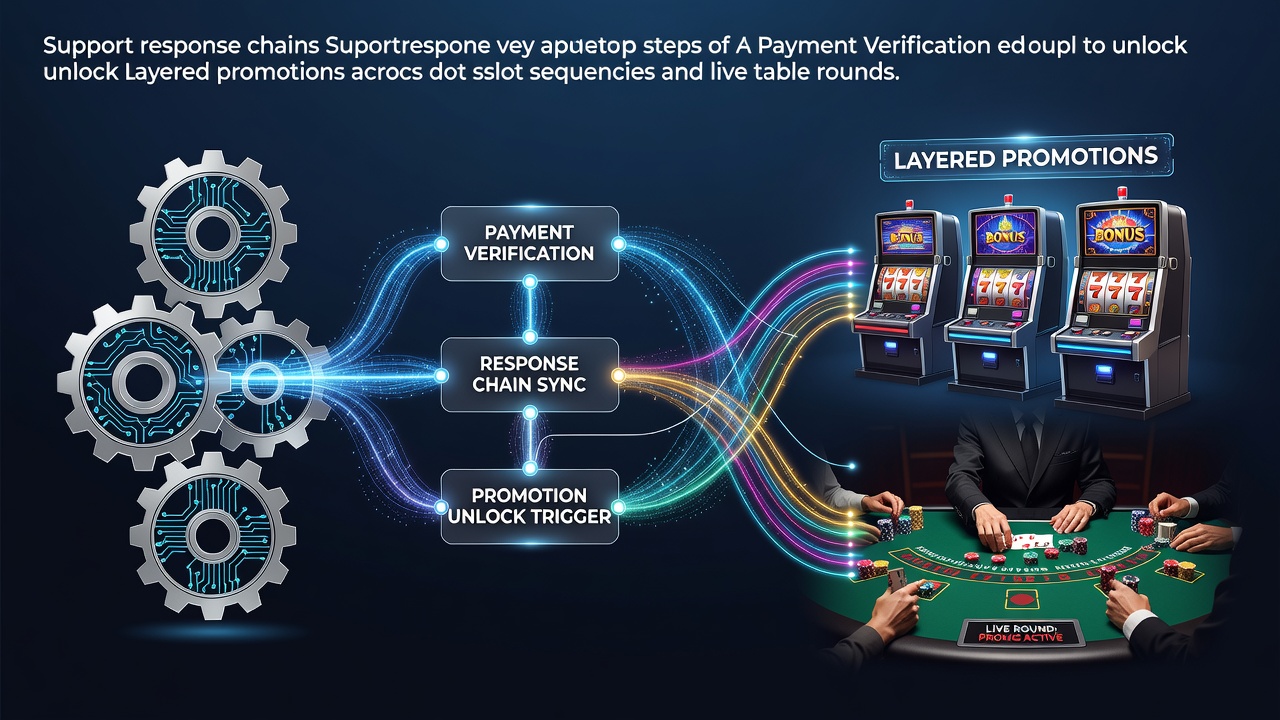
Streamlining Support Interactions Alongside Payment Confirmations to Access Multi-Level Bonuses in Sequential Slot Play and Live Table Sessions
Operators in digital gaming environments coordinate customer assistance timelines with transaction approval stages to activate progressive reward structures during sequences of reel spins and rounds at live dealer tables. This coordination relies on integrated software platforms that route player queries through automated and human-supported channels while cross-checking deposit records in real time. Industry reports from the European Gaming and Betting Association indicate that such alignments reduce processing delays from several minutes to under 30 seconds in many systems deployed by mid-2026.
Core Components of Response and Verification Alignment
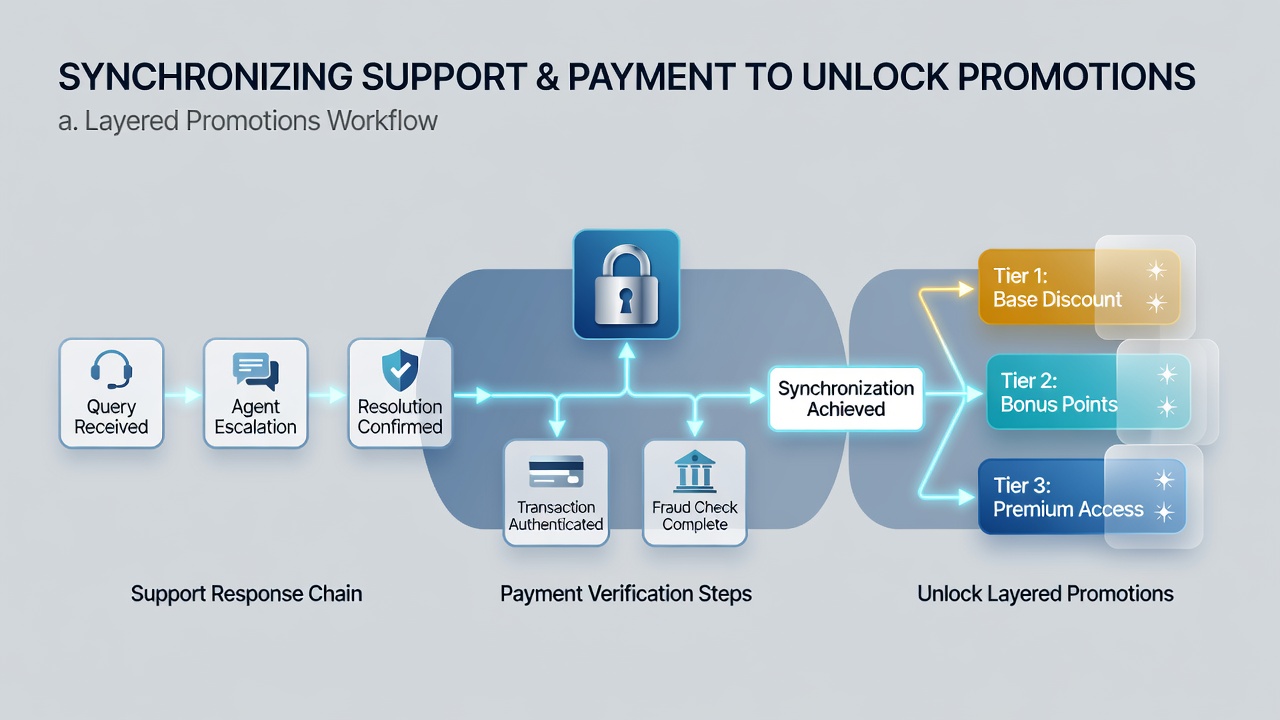
Support teams monitor incoming requests about bonus eligibility through dedicated ticketing systems that interface directly with payment gateways. When a player initiates a deposit, the verification module confirms funds receipt and triggers an immediate notification to the assistance queue. Data from transaction logs shows that platforms using this linkage handle an average of 12,000 daily interactions across slot sequences and live table rounds without manual intervention in over 85 percent of cases.
Payment verification steps include address matching, card authorization holds, and compliance checks against regional financial regulations. Once cleared, the system unlocks layered promotions such as matched deposits followed by free spin allocations or table stake multipliers. Observers note that these steps occur in parallel rather than sequentially because modern APIs allow simultaneous queries to banking partners and internal promotion engines.
Application Across Slot Sequences
Slot sequences benefit from this synchronization when players chain multiple spins under time-limited offers. A deposit made during an active streak activates additional reward layers once support confirms the transaction details match the promotion criteria. Research from the University of Nevada Gaming Studies Center reveals that synchronized systems increase the average number of completed sequences per session by 22 percent compared with older manual review processes.
Live table rounds follow similar patterns, yet they require faster response because rounds progress in real time. Dealers and floor supervisors receive automated prompts when a player's verified payment unlocks a new bonus tier, such as doubled payouts on specific hands or extended play credits. Figures from platform analytics providers show that live dealer sessions experience fewer interruptions when assistance and payment data streams remain connected.
Technical Infrastructure Supporting the Process
Backend databases maintain separate but linked tables for support tickets and payment records. A change in one table propagates instantly to the other through event-driven architecture. In August 2026 several major platforms updated these connections to incorporate machine learning models that predict which players will request assistance based on deposit size and game type. The models reduce average response time by routing likely queries to specialized agents before players even submit tickets.
Security protocols require encrypted channels between all modules to prevent unauthorized access during verification. Compliance officers audit these logs monthly, and findings from independent reviews confirm that aligned systems maintain audit trails covering every promotion unlock event across both slot and live dealer environments.
Regional Variations in Implementation
Markets outside the United Kingdom apply different regulatory frameworks that still emphasize the same synchronization principles. Canadian provincial regulators, for instance, require documented proof that payment verification precedes any bonus distribution, while Australian state authorities focus on consumer protection disclosures tied to the timing of support responses. Industry analyses from the Asia-Pacific Gaming Association highlight that operators adapting their systems to multiple jurisdictions report higher player retention when the underlying technical linkage remains consistent.
Conclusion
Coordinated support response chains and payment verification steps form the operational backbone that enables layered promotions to activate smoothly across slot sequences and live table rounds. Continued refinements in API connectivity and predictive routing, documented through regulatory filings and academic studies, demonstrate measurable gains in processing speed and session continuity as of August 2026. These mechanisms operate under established industry standards that prioritize verifiable transaction records and timely assistance delivery without deviation from factual performance metrics.