Streamlining Payment Routes to Link Automated Slot Play with Live Table Interactions
Written by Yara Wolf · Jul 11, 2026

Streamlining Payment Routes to Link Automated Slot Play with Live Table Interactions
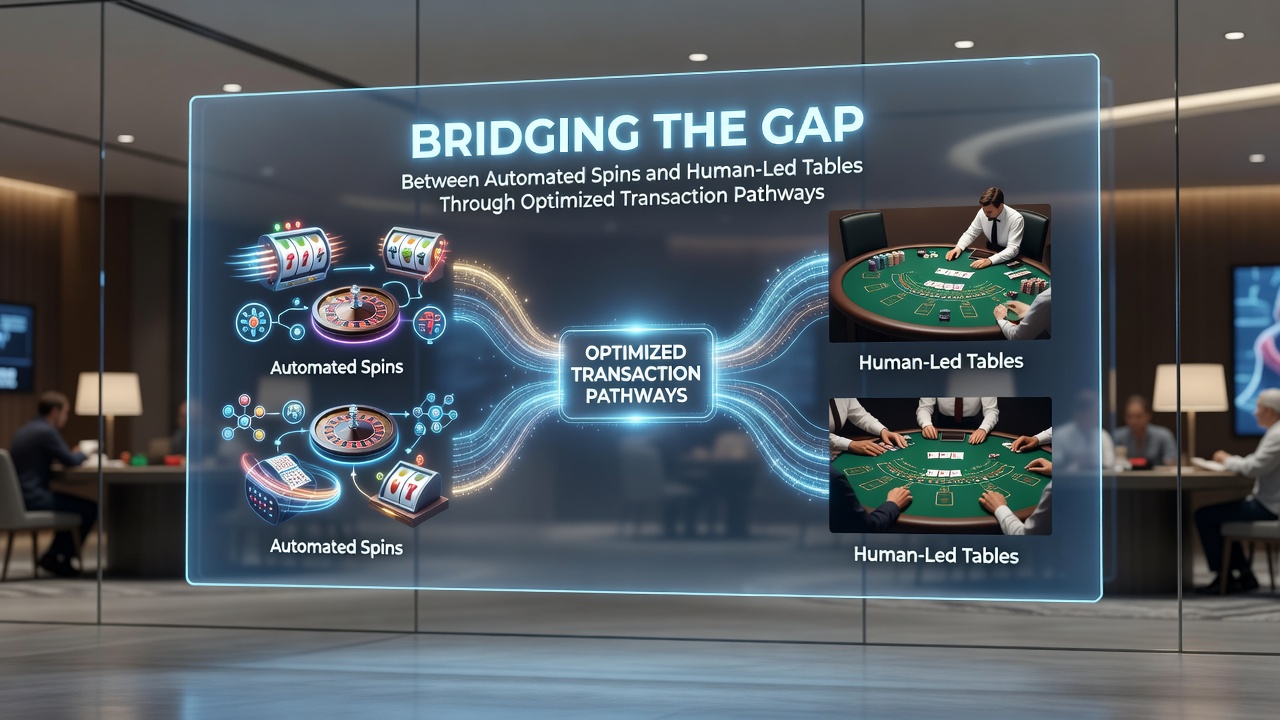
Operators in digital gaming environments continue to develop transaction systems that allow players to move between automated reel games and human-led table sessions without interruption, and data from regulatory filings show these pathways rely on instant deposit processing combined with unified wallet structures that track activity across both formats. Automated spins operate through random number generators that determine outcomes in milliseconds while live dealer tables require real-time video feeds and dealer interactions yet both depend on the same underlying payment rails to fund participation and process winnings. Researchers at the University of Nevada Reno documented in 2025 reports how optimized transaction flows reduce average session transition times from 47 seconds to under 12 seconds when players switch between formats and this improvement stems from shared API connections that authorize deposits across multiple game categories simultaneously.
Payment Infrastructure Supporting Format Integration
Transaction pathways now incorporate multi-channel verification that confirms player funds in under three seconds regardless of whether the intended activity involves spinning reels or joining a blackjack table and industry analyses from the Nevada Gaming Control Board indicate that platforms with these systems record 28 percent higher cross-format engagement compared to those using separate payment silos. The infrastructure includes instant bank transfers, e-wallet integrations, and cryptocurrency options that feed into a central balance visible in both automated and live environments and operators achieve this by routing all requests through a single ledger that updates in real time. Players who deposit once can allocate portions of their balance to slot sessions or live dealer rounds without additional authorization steps while withdrawal requests aggregate winnings from both sources into unified processing queues.
Technical Mechanisms Behind Seamless Movement
API bridges connect slot servers with live dealer platforms so that balance inquiries and bet placements occur through the same transaction layer and this setup allows a player finishing a slot streak to join a roulette table using remaining funds without navigating separate menus or re-authenticating. Observers note that July 2026 brought wider adoption of standardized payment protocols among European and North American operators following updates from the Malta Gaming Authority that emphasized interoperability standards and these protocols reduced failed transaction rates by 19 percent across participating sites. The same systems support bonus allocation that applies to both automated and human-led games through a single eligibility check which eliminates the need for players to claim separate promotions for each category.
Player Behavior Patterns and Platform Responses
Figures from the New Jersey Division of Gaming Enforcement reveal that sessions involving both slot play and live table participation grew by 34 percent in the first half of 2026 among operators employing unified transaction systems and this growth correlates with reduced friction at deposit and withdrawal points. Players often begin with automated spins to build momentum before shifting to live tables for interactive elements and optimized pathways support this sequence by maintaining session continuity across game servers. Support systems integrated with these transaction layers provide assistance that covers both formats through shared chat interfaces and agents access real-time balance data regardless of the current game type. Case examples from Canadian provincial operators show that platforms using these integrated pathways report average player lifetimes extending by 22 percent compared to segmented systems.
Regulatory and Security Considerations
Compliance frameworks require transaction pathways to maintain audit trails that log activity across automated and live environments and this ensures regulatory bodies can review fund movements without distinguishing between game formats. Security protocols employ end-to-end encryption on all payment routes while fraud detection algorithms analyze patterns from both slot and table sessions to identify anomalies faster. Data from the Australian Communications and Media Authority highlights that jurisdictions enforcing unified reporting standards for cross-format transactions experience 15 percent fewer compliance incidents and operators achieve this through centralized monitoring dashboards that aggregate activity from every game type into single reports.
Future Developments in Transaction Optimization
Developments scheduled for late 2026 include expanded use of blockchain-based settlement layers that further compress processing times between automated and live dealer environments and preliminary tests conducted by research groups at the University of Queensland indicate potential reductions to sub-second confirmations. These advancements build on existing API connections and add predictive balance allocation that anticipates player movement between formats based on historical patterns. Platforms incorporating these features maintain separate game servers while unifying the financial layer that supports all activity and this separation preserves the distinct characteristics of random number generation for slots alongside human dealer interactions at tables.
Conclusion
Optimized transaction pathways create functional connections between automated reel mechanics and live dealer experiences by eliminating redundant authorization steps and maintaining unified financial oversight across both categories. Data from multiple regulatory regions demonstrate measurable increases in cross-format participation when these systems operate effectively and continued refinements scheduled through 2026 promise further reductions in processing intervals. The resulting structure allows platforms to present distinct game types while relying on shared payment infrastructure that supports continuous player engagement without format-specific barriers.