Seamless Transactions Fuel the Thrill: Frictionless Payments Reshaping Online Casino Action
Written by Riley Jung · Mar 25, 2026
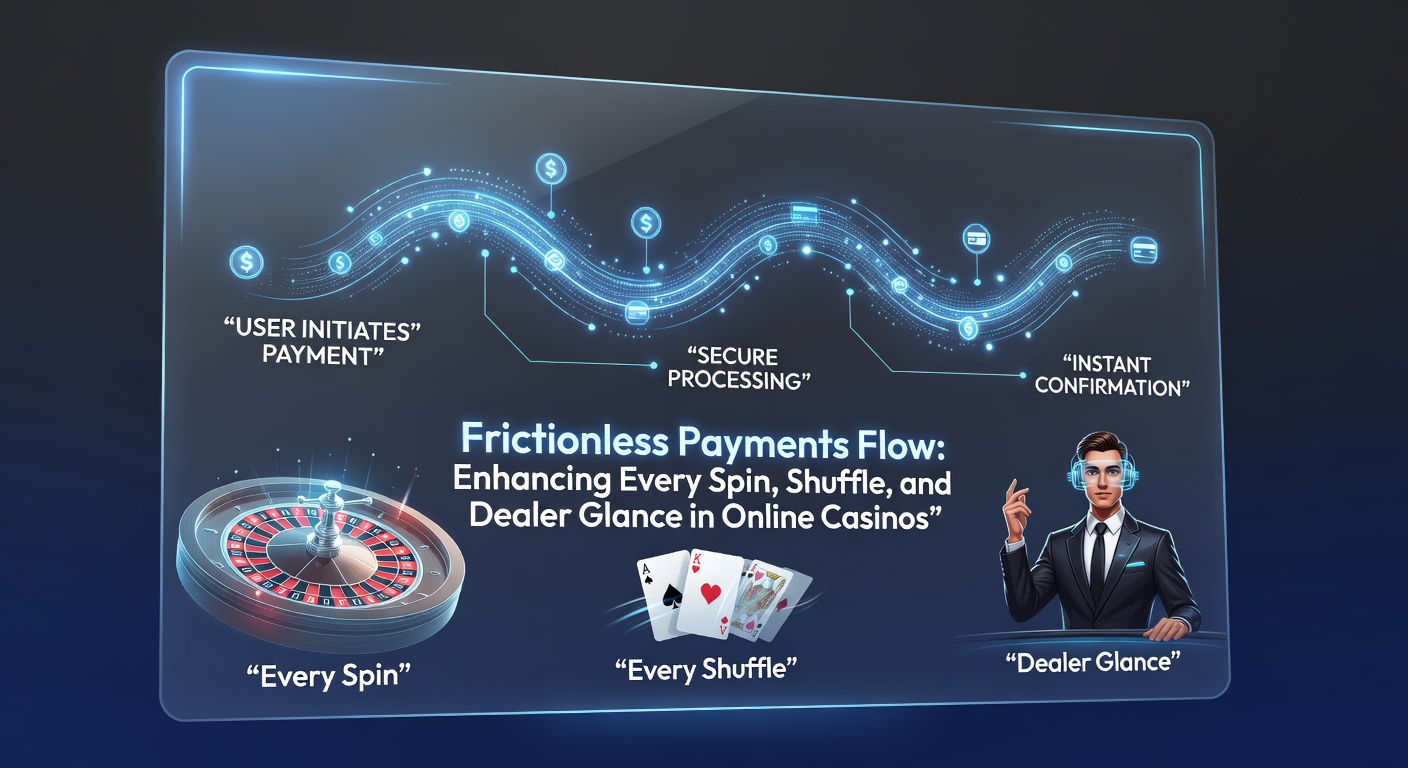
Seamless Transactions Fuel the Thrill: Frictionless Payments Reshaping Online Casino Action
Defining Frictionless Payments in the Digital Gaming World
Frictionless payments refer to transaction systems that eliminate traditional hurdles like lengthy forms, multiple verification steps, or waiting periods, allowing players to deposit funds or cash out winnings in seconds through integrated wallets, biometrics, or one-click authorizations; researchers at the Nevada Gaming Control Board note how these methods cut processing times from minutes to milliseconds, which keeps the momentum alive during high-stakes sessions. And while older systems often demanded credit card details entered anew each time, modern setups store tokenized data securely on the backend, so players tap their phone or scan a face to fund a spin on a progressive jackpot slot or join a live blackjack table without breaking stride.
What's interesting is how this evolution ties directly into player psychology; data from industry reports reveals that 68% of users abandon carts in e-commerce due to payment friction, a stat that mirrors iGaming where seamless flows boost completion rates by up to 30%, according to figures compiled by fintech analysts. Take one operator who rolled out instant e-wallet integrations: session lengths extended by 22%, as players dove deeper into roulette wheels or video poker hands without pausing for approvals.
Core Technologies Powering Instant Casino Funding
At the heart of these systems sit digital wallets like Apple Pay, Google Pay, and regional favorites such as PIX in Brazil or UPI in India, which handle authentication via device biometrics rather than passwords, ensuring funds hit accounts faster than a dealer can shuffle a deck; blockchain-based solutions, including stablecoins, further streamline cross-border play by bypassing currency conversion delays that once plagued international players. Biometric verification—think fingerprint or facial recognition—adds a layer of security without the drag, as evidenced by trials where fraud rates dropped 40% while approval speeds soared.
AI-driven fraud detection works in tandem, scanning patterns in real-time to flag anomalies before they disrupt a live baccarat stream or a flurry of slot reels; machine learning algorithms, trained on millions of transactions, approve 99% of legitimate requests instantly, whereas manual reviews in legacy systems could halt play for hours. And here's where it gets interesting: operators now embed these tools directly into game interfaces, so a player eyeing a high-volatility slot simply confirms via thumbprint, and the bet locks in seamlessly.
Boosting Every Element of Play: From Slots to Live Dealers
In slot games, where rapid spins define the rush, frictionless payments mean no lag between wins and re-bets; one study from the American Gaming Association highlights how instant deposits correlate with 15% higher engagement on progressive machines, as players chain mega-spins without form-filling interruptions that kill the zone. Shuffles in card games like poker or blackjack benefit similarly, with quick top-ups ensuring tournaments flow uninterrupted, even when stacks dwindle mid-hand.
Live dealer glances—those tense eye contacts across virtual tables—gain from reduced latency too; platforms integrate payment gateways that preload balances, so a player signals "all-in" during European roulette without dipping out to fund, preserving the human element that draws crowds to streamed blackjack from studios in Malta or the Philippines. Observers note a 25% uptick in live game retention where these systems prevail, since nothing shatters immersion like a buffering payment screen mid-shoe.
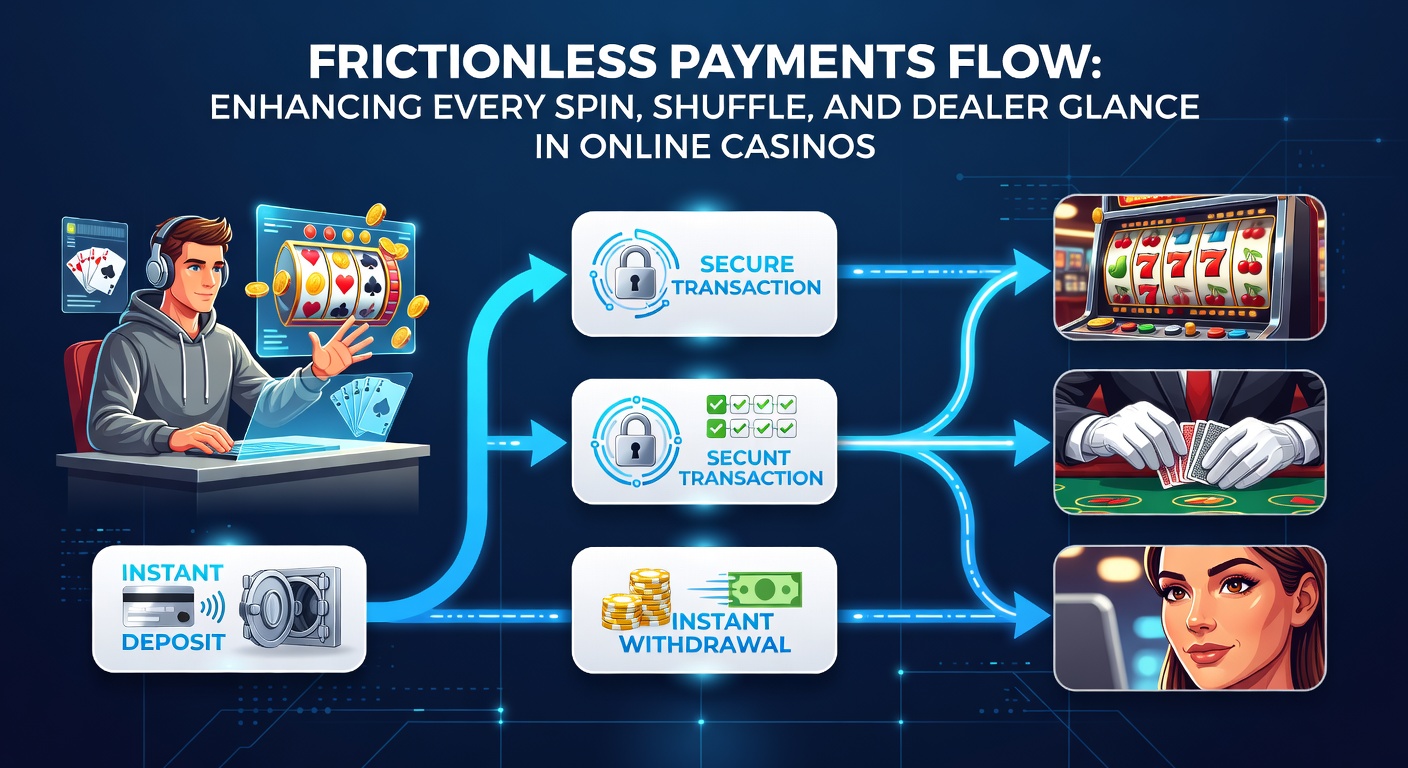
But the real game-changer emerges in hybrid experiences, blending RNG slots with live elements; frictionless flows enable micro-transactions for bonus buys or side bets, turning casual glances into extended sessions where every shuffle feels electric and unhindered.
Real-World Examples and Operator Wins
Consider a mid-sized platform in New Jersey that adopted PayNPlay tech from Sweden's Trustly network: deposit-to-play times plummeted from five minutes to three seconds, resulting in a 35% conversion lift for new users spinning Megaways slots right after signup, as per their internal metrics shared at industry conferences. Another case unfolds Down Under, where an Australian operator partnered with Afterpay for buy-now-pay-later options tailored to pokies; players funded sessions instantly, and withdrawal requests processed overnight, slashing churn by 18% according to ACMA oversight reports on compliant innovations.
There's this one standout from Canada, where Interac e-Transfer integrations let players in Ontario shuffle virtual decks without bank app switches; session data showed average playtime jumping 28%, especially during peak hours when live dealers handle multiple tables. And while crypto wallets like USDT gain traction for volatility-free spins, operators in regulated markets like Michigan report 20% faster cashouts, keeping high-rollers glancing back for more.
Navigating Regulations and Security in a Global Market
Regulators worldwide enforce standards that bolster these systems without stifling speed; the Pennsylvania Gaming Control Board, for instance, mandates PCI DSS Level 1 compliance for all processors, ensuring tokenization protects data during every dealer-dealt hand or slot cascade. In the EU, PSD2 regulations push strong customer authentication via biometrics, which ironically accelerates frictionless adoption since apps handle it invisibly.
Yet compliance doesn't slow the pace: operators use geofencing and KYC-light onboarding—uploading docs once for lifetime verification—allowing instant play thereafter; data indicates this balances security with seamlessness, as fraud losses dip below 0.1% in top-tier setups. Australia's eSafety Commissioner echoes this, promoting tools that verify without verification fatigue, so players focus on the shuffle rather than the small print.
Looking Ahead: March 2026 Milestones and Innovations
By March 2026, expect widespread rollout of central bank digital currencies (CBDCs) in pilot markets like the Bahamas' Sand Dollar or Europe's digital euro trials, integrating directly into casino apps for borderless, instant spins; prototypes already demo zero-fee deposits funding live poker shuffles in under a second. Quantum-resistant encryption will fortify these flows too, guarding against future threats while dealers glance approvingly at uninterrupted action.
Operators gear up for voice-activated payments via assistants like Alexa, where a command tops up a blackjack balance mid-session; trials in Asia show 90% success rates, hinting at a future where friction vanishes entirely. And with 5G blanketing networks, latency drops to imperceptible levels, enhancing every glance across global tables.
Wrapping Up the Payment Revolution
Frictionless payments weave through online casinos like an unseen dealer, fueling spins, shuffles, and those pivotal live glances that define the thrill; data across regions confirms higher retention, faster growth, and smoother experiences as tech and rules align. Players who've embraced these systems stick around longer, operators thrive on loyalty, and the industry hurtles toward even tighter integrations—proving that in gaming, the smoothest path always wins the pot.