Payment Processing Delays Shape Eligibility Windows for Hybrid Game Incentives
Written by Klara Krause · Aug 18, 2026
Payment Processing Delays Shape Eligibility Windows for Hybrid Game Incentives
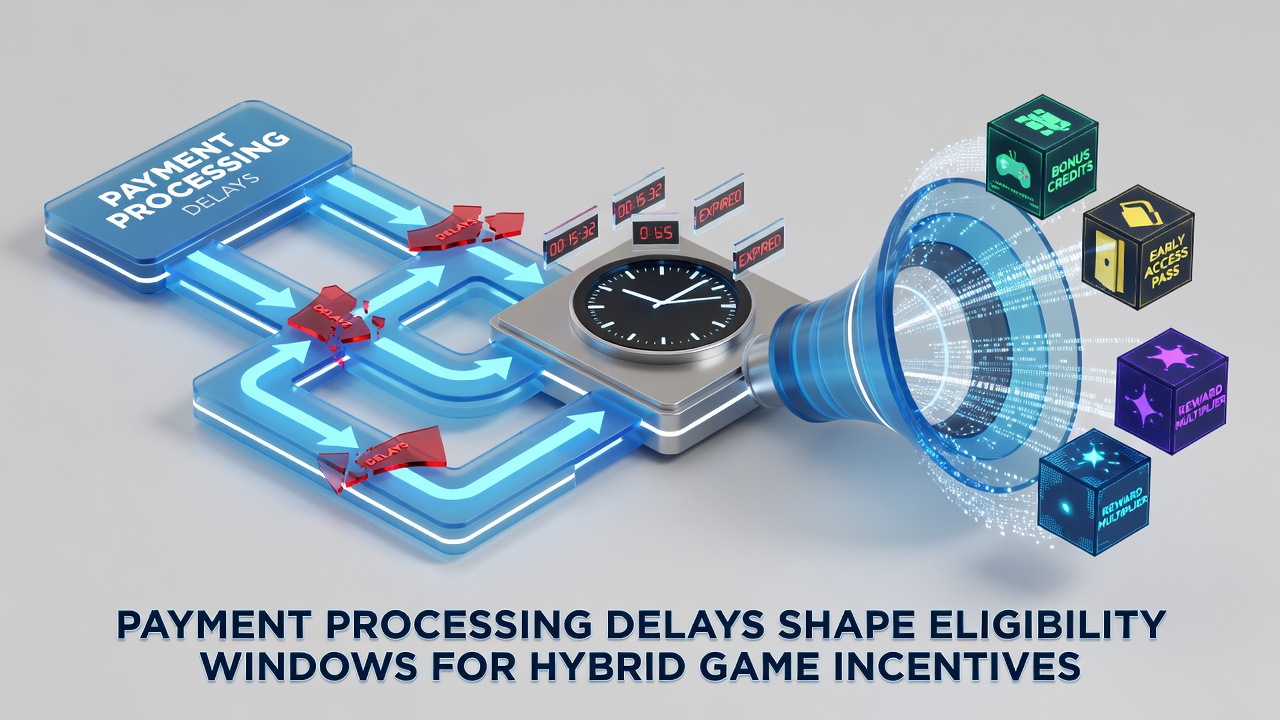
Payment processing delays continue to influence how operators structure eligibility windows for hybrid game incentives across digital platforms, where slots and live dealer elements combine in single promotional campaigns. Industry reports indicate that transaction hold times now determine whether players qualify for time-sensitive rewards, particularly when deposits must clear before bonus activation codes become available in combined game environments.
Transaction Timelines and Incentive Structures
Operators track payment confirmation intervals closely because hybrid incentives often require simultaneous activity across reel-based and table-based modules within defined periods. Data from multiple platforms shows that delays exceeding standard processing windows can push players outside the active eligibility phase, especially when live dealer rounds demand immediate fund availability to maintain streak multipliers or progressive elements tied to slot progressions. Observers note that August 2026 brought increased scrutiny to these mechanics as several regional regulators examined how payment friction affects player access to blended promotions.
Studies from research institutions highlight that automated verification systems reduce average clearance times, yet manual reviews triggered by high-volume periods still create gaps. Those gaps directly compress the window during which players can transition from slot sessions into live dealer tables while retaining hybrid bonus status. Experts have observed that platforms using real-time banking rails report fewer eligibility conflicts, whereas traditional card processors introduce variability that operators must account for when designing campaign calendars.
Regional Regulatory Approaches
Authorities in different jurisdictions apply distinct rules around transaction reporting and bonus timing. The Pennsylvania Gaming Control Board requires operators to log payment confirmation timestamps separately from bonus claim events, creating audit trails that reveal how processing lags affect hybrid reward distribution. Similar frameworks in other markets encourage operators to publish clear eligibility parameters that factor in average clearance durations rather than assuming instant settlement.
Industry organizations such as the European Gaming and Betting Association have compiled comparative data showing that platforms with integrated instant payment options maintain higher completion rates for multi-game incentive programs. These findings align with reports indicating that players who encounter processing delays often miss sequential triggers needed to unlock layered rewards spanning both automated and human-hosted game segments.
Operational Adjustments by Platforms
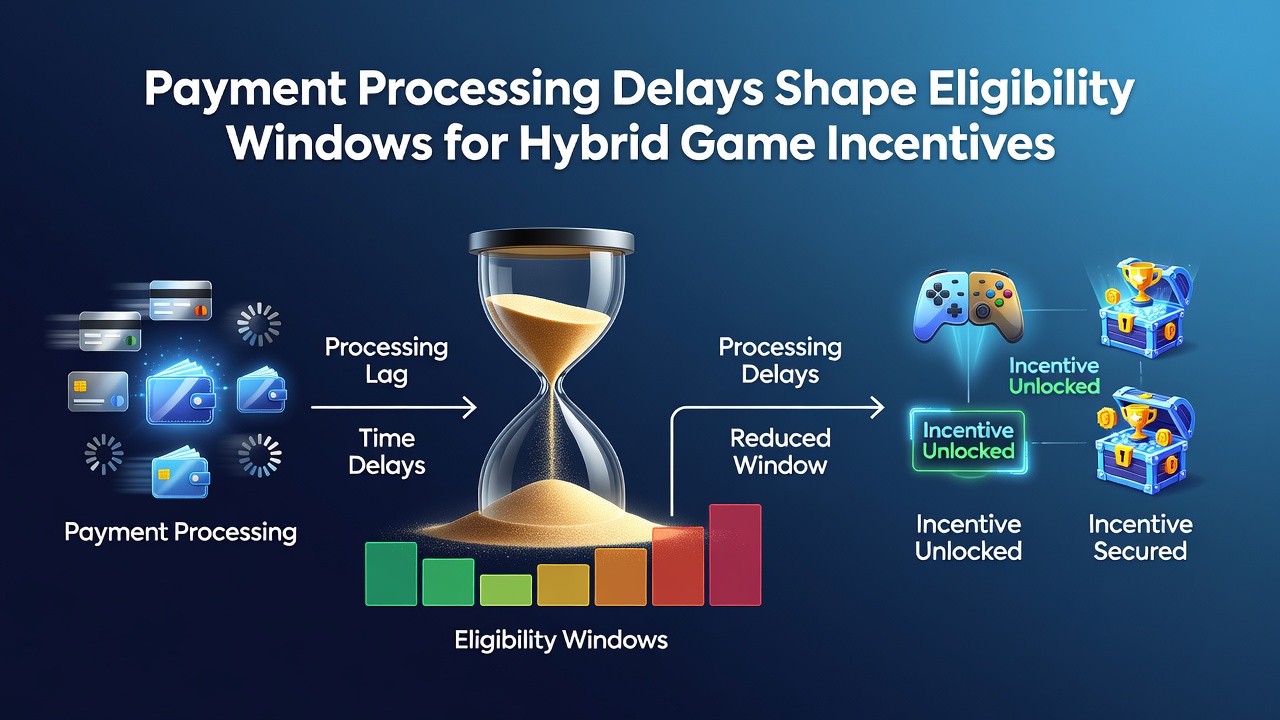
Platform teams now embed buffer periods into hybrid incentive schedules to accommodate variable processing speeds. This approach allows campaigns to remain active even when initial deposits face temporary holds, provided players complete required actions before the extended cutoff. Research indicates that such adjustments improve retention metrics because participants can still move between game types without losing accumulated progress toward combined targets.
Case examples demonstrate that operators who publish estimated clearance ranges alongside bonus rules experience fewer support inquiries related to missed windows. Those ranges typically incorporate data from multiple payment providers and seasonal traffic patterns, helping players anticipate whether their chosen method aligns with the campaign timeline. Analysts have documented that hybrid formats, which blend automated spins with live table interactions, prove especially sensitive to these timing mismatches.
Player Behavior Patterns
Behavioral tracking reveals that participants frequently select faster payment methods when pursuing hybrid incentives, shifting away from slower options that previously dominated deposit activity. This shift occurs because eligibility often hinges on funds appearing in the account balance before live dealer sessions begin, a requirement that standard card processing sometimes fails to meet during peak hours. Data collected through platform analytics shows increased use of digital wallet solutions in markets where operators promote cross-game bonuses.
Training materials for support teams now include guidance on explaining how processing stages interact with eligibility rules, allowing staff to direct players toward methods that preserve their position within active windows. Such measures reduce instances where players initiate hybrid sequences only to find their bonus status lapsed due to clearance delays.
Conclusion
Payment processing delays remain a central factor in determining access to hybrid game incentives, prompting operators to refine timelines, verification procedures, and communication around eligibility. Regional regulatory bodies continue to monitor these dynamics, while platforms implement technical and procedural changes that account for real-world transaction variability. As payment infrastructure evolves, the alignment between clearance speeds and promotional windows will continue to shape how combined slot and live dealer rewards function in practice.