Payment Gateways Synchronizing Reward Triggers with Support Networks in Reel and Table Game Simulations
Written by Riley Jung · Jul 16, 2026
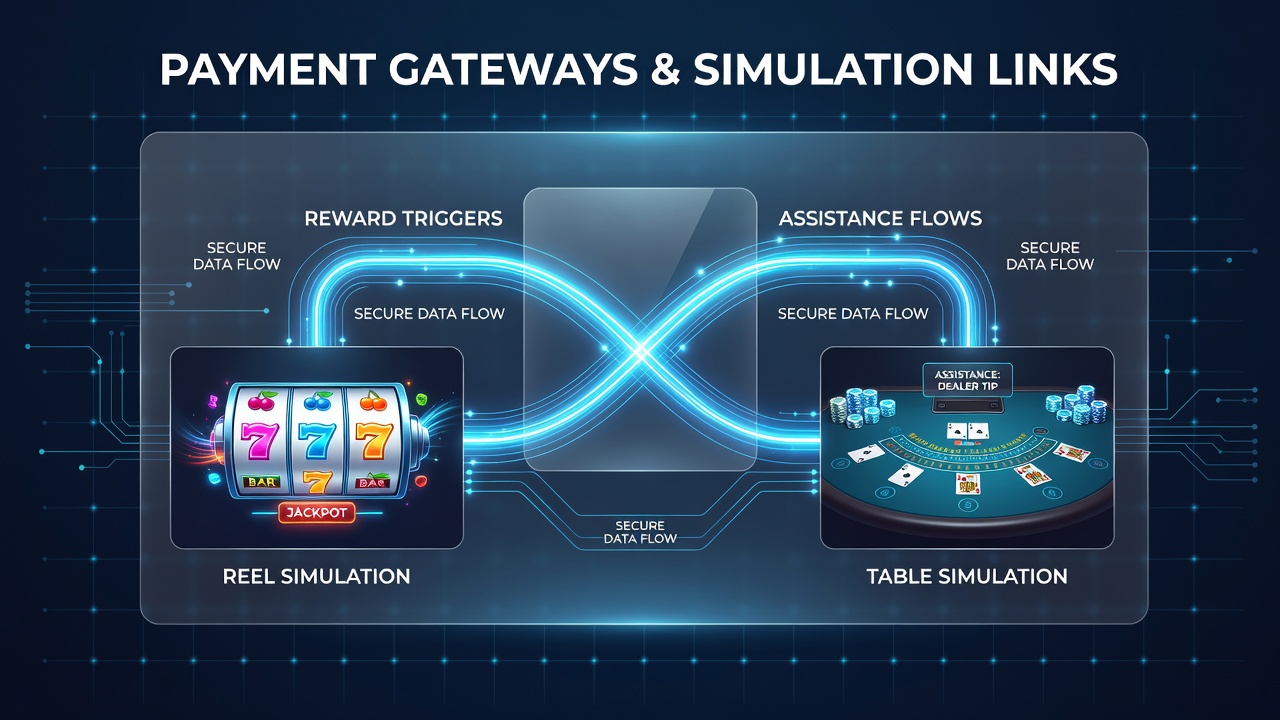
Payment Gateways Synchronizing Reward Triggers with Support Networks in Reel and Table Game Simulations
Payment gateways serve as central hubs that connect financial transactions to automated reward systems and real-time assistance protocols in digital slot and table environments, and this integration has grown more sophisticated by July 2026 as platforms scale their operations across multiple jurisdictions.
Core Mechanics of Gateway Integration
Modern payment systems process deposits and withdrawals while simultaneously activating predefined reward conditions such as deposit-match bonuses or free spin allocations in reel simulations, whereas table game platforms rely on the same gateways to flag live dealer sessions for targeted promotions once a player's transaction clears. Data from industry reports shows that these gateways transmit transaction metadata directly to bonus engines, which then adjust player accounts without manual intervention, and this automation reduces processing delays from minutes to seconds in many documented cases.
Support flows activate through the same transaction records because gateways log details that customer service teams access instantly when players report issues with credited rewards or interrupted table sessions. Researchers at various institutions have documented how API handshakes between payment processors and support dashboards allow agents to verify transaction status before escalating cases, and this linkage proves particularly useful during peak hours when volume spikes in both reel and live table simulations.
Reward Trigger Pathways in Reel Simulations
Slot platforms configure gateways to detect specific deposit thresholds that unlock tiered rewards, and once a transaction meets those criteria the system releases bonuses into the player's reel session queue automatically. Studies indicate that such triggers operate across multiple game providers simultaneously because gateways normalize data formats from different slot engines, which ensures consistent reward delivery regardless of the underlying simulation software.
Assistance protocols tie into these triggers when players encounter verification delays or mismatched bonus amounts, and support teams receive flagged tickets containing the original transaction ID from the gateway itself. This setup enables agents to review payment logs alongside game logs in one interface, and observers note that resolution times shorten measurably when the two data streams remain synchronized from the outset.
Assistance and Reward Linkages in Table Game Environments
Live dealer platforms use payment gateways to monitor table minimums and session lengths, which then feed into reward calculations for cashback or loyalty points that appear after the player exits a blackjack or roulette table. When transaction disputes arise during active play, the gateway data routes directly to support workflows that can pause table actions or issue temporary credits while verification completes.
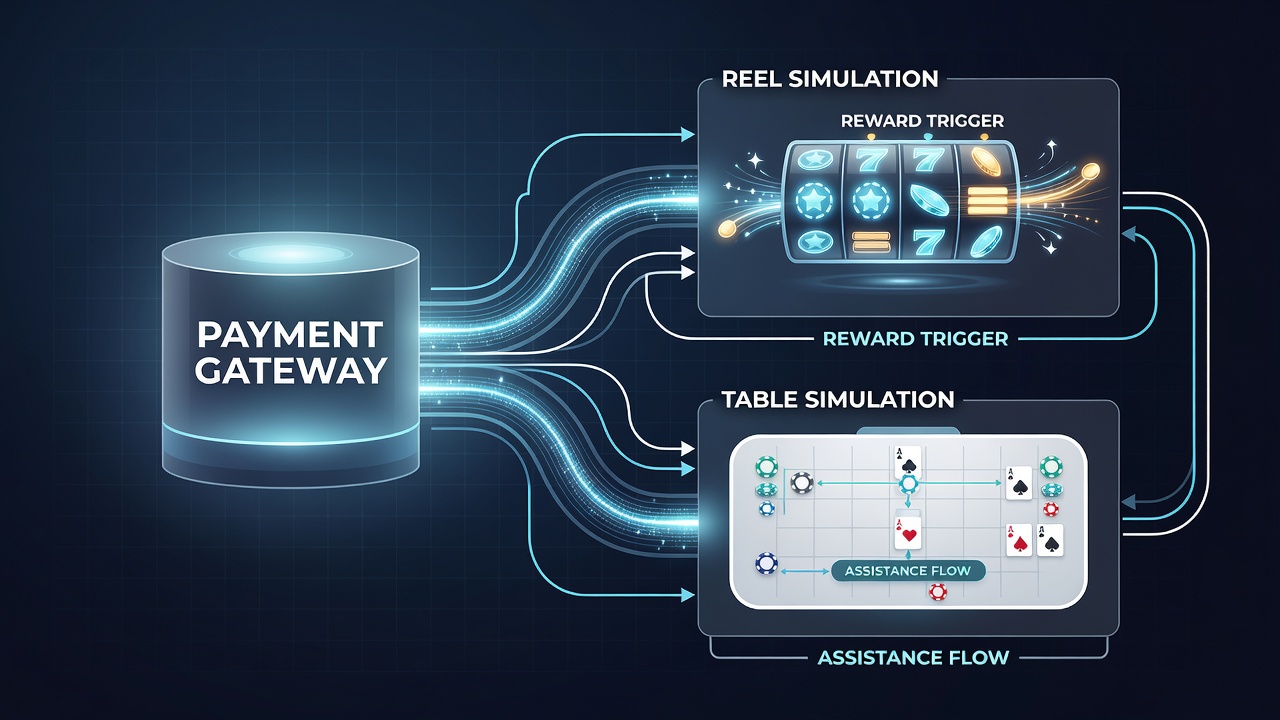
One documented pattern involves gateways sending real-time alerts to support queues whenever a high-value table deposit fails to register within the expected window, and this proactive routing lets teams reach out before players submit formal inquiries. Reports from regulatory bodies such as the Nevada Gaming Control Board highlight how these integrated systems maintain audit trails that cover both financial and support activities, which helps operators demonstrate compliance during periodic reviews.
Technical Synchronization Across Platforms
Gateways employ standardized protocols that allow reel and table environments to share the same reward and assistance infrastructure, and this shared layer reduces the need for separate payment stacks per game type. Technical documentation reveals that webhook configurations push transaction events to both bonus servers and support ticketing systems at the same moment, which creates a unified timeline for every player interaction.
Developments through July 2026 have seen increased adoption of tokenization methods within these gateways, and tokenization keeps sensitive payment details separate from reward and support databases while still permitting accurate transaction matching. Industry analyses from sources like the Canadian Gaming Association show that such measures lower error rates in bonus crediting and support case handling across simulated environments.
Conclusion
Payment gateways continue to function as the connective tissue between reward activation and assistance delivery in reel and table simulations, and their role expands as platforms refine data exchange standards. Observers track ongoing improvements in latency and data accuracy that support both player engagement and operational oversight without introducing new variables into the core transaction process.