Mapping Transaction Flows to Real-Time Reward Triggers in Digital Gaming Platforms
Written by Riley Jung · Aug 11, 2026
Mapping Transaction Flows to Real-Time Reward Triggers in Digital Gaming Platforms
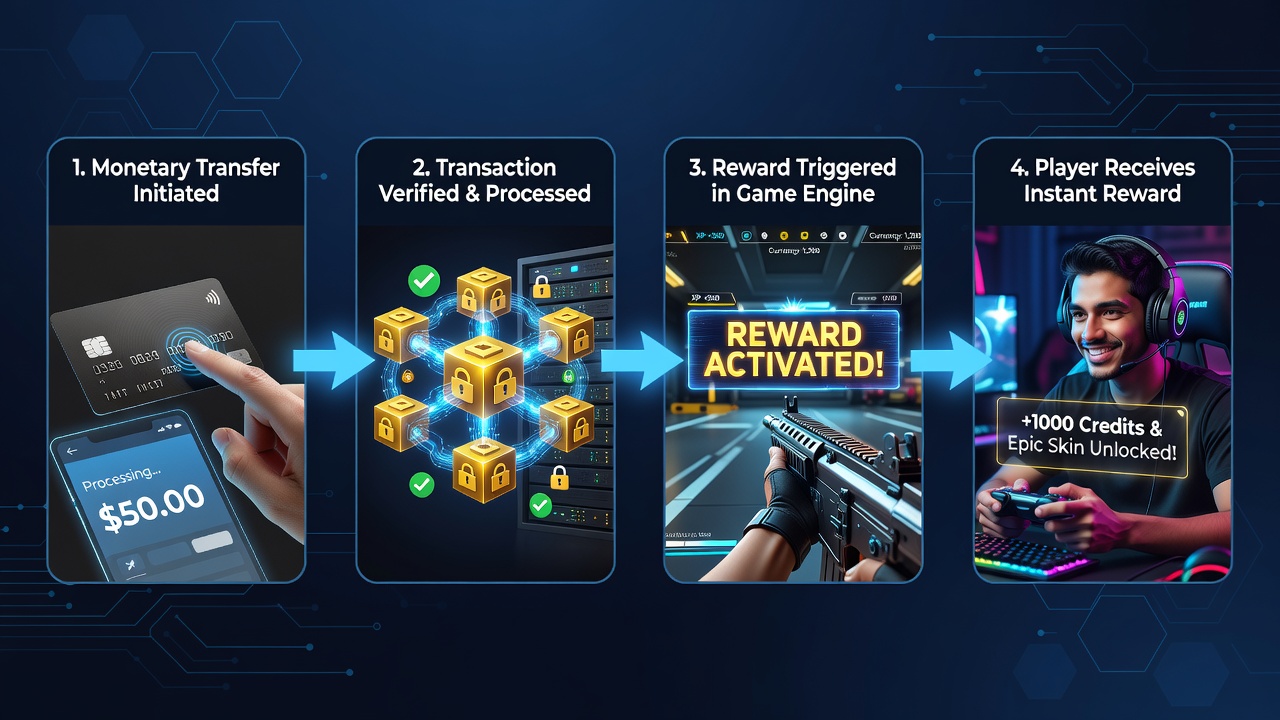
Digital gaming platforms handle monetary transfers through layered payment systems that move funds from player accounts into game environments where reward mechanisms activate almost instantly. The process begins when a player initiates a deposit via credit card, e-wallet, or bank transfer, and payment gateways route the request through secure networks that verify authorization in milliseconds.
Once the transaction clears the initial authorization layer, the platform's backend database updates the player's balance, and this change triggers conditional scripts that scan for active promotional rules. Those rules check criteria such as deposit amount, payment method type, and player status level before assigning rewards like bonus credits or free spin allocations.
Payment Processing and Balance Synchronization
Industry data from the American Gaming Association indicates that average authorization times for gaming deposits fell below two seconds in 2025, with further reductions reported through August 2026 as more operators adopted enhanced API integrations. The sequence continues with real-time ledger entries that reconcile the incoming funds against existing balances, preventing double-counting while logging timestamps for regulatory audits.
Observers note that payment processors such as those certified under PCI-DSS standards maintain separate queues for high-volume periods, which allows the system to prioritize gaming transactions and maintain sub-second response rates even during peak evening hours across multiple time zones.
Conditional Logic for Reward Assignment
After the balance update completes, the reward engine evaluates a series of if-then conditions stored in the platform's rules database. A deposit matching a weekly reload offer, for example, automatically generates a bonus multiplier that applies only to selected game categories such as slots or table variants. The engine records the reward ID, expiration window, and wagering requirement in the player's profile within the same transaction block.
Research from the University of Nevada Reno's gaming innovation lab shows that platforms using event-driven architectures achieve reward assignment latencies under 500 milliseconds in controlled tests conducted through mid-2026. These systems publish balance-change events to message brokers that multiple microservices consume simultaneously, allowing bonus calculation, notification dispatch, and game lobby updates to occur in parallel rather than sequentially.
Real-Time Notification and Game State Updates
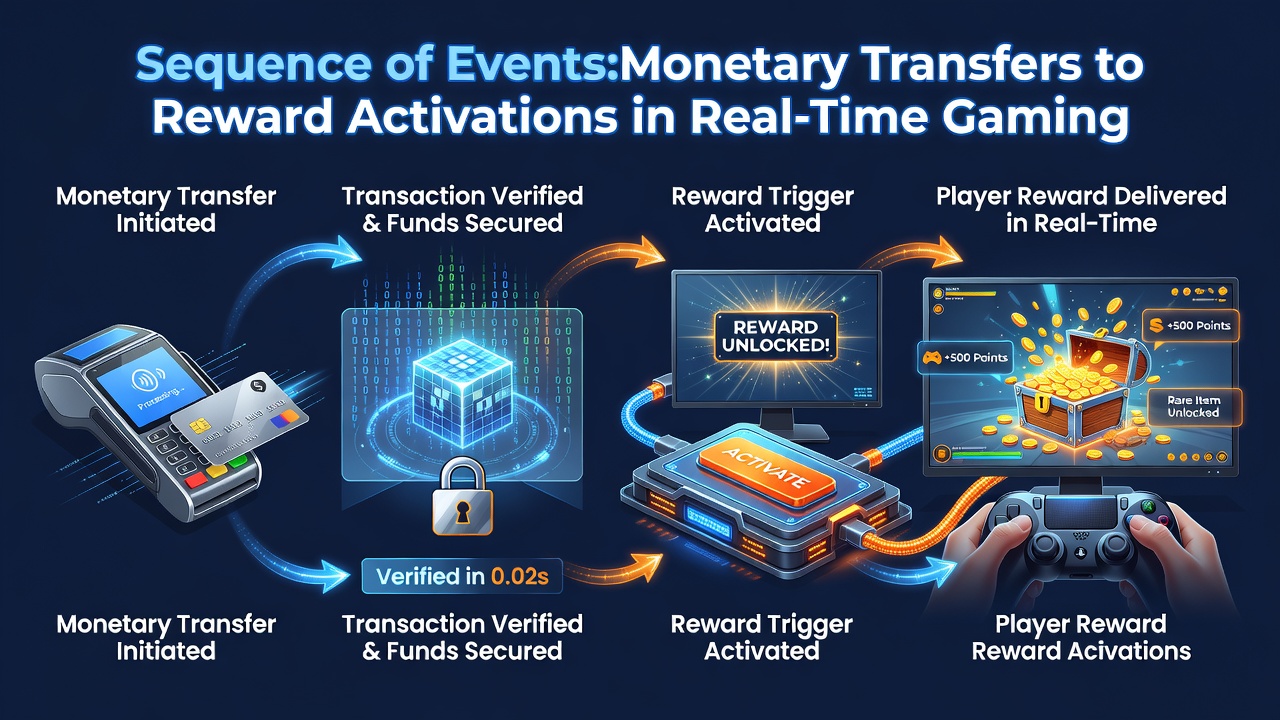
Players receive push notifications or in-app banners the moment the reward activates, and the game client refreshes its state to display the new balance and any restricted funds. Live dealer sessions incorporate these updates directly into the betting interface so that bonus funds become available for the next round without requiring a manual refresh or lobby return.
European Gaming and Betting Association figures reveal that operators integrating reward triggers with live-streaming platforms reduced player drop-off between deposit and first bet by measurable margins during 2025 testing cycles. The integration relies on WebSocket connections that push state changes to both the slot reel engine and the live table management system at the same time.
Audit Trails and Compliance Checks
Every step from monetary transfer to reward activation writes immutable log entries that regulators can query later. Timestamped records include the payment processor response code, the reward rule ID applied, and the resulting player balance delta. These logs support reconciliation processes that run nightly and flag discrepancies exceeding predefined thresholds.
Platforms operating in multiple jurisdictions maintain separate rule sets that activate based on the player's registered location, ensuring that reward parameters comply with regional limits on bonus values and wagering contributions. Automated compliance modules intercept any reward assignment that would violate those limits before the credit posts to the account.
Conclusion
The complete sequence from monetary transfer to reward activation depends on synchronized payment gateways, event-driven reward engines, and real-time state synchronization across client and server components. Data collected through August 2026 demonstrates continued reductions in end-to-end latency as operators refine their integration layers. Those improvements keep the interval between successful deposit and playable reward consistently under one second for most established platforms.