Mapping Assistance Timelines in Casino Support Networks to Refine Multi-Level Rewards for Table Games and Slot Machines
Written by Klara Krause · Aug 6, 2026
Mapping Assistance Timelines in Casino Support Networks to Refine Multi-Level Rewards for Table Games and Slot Machines
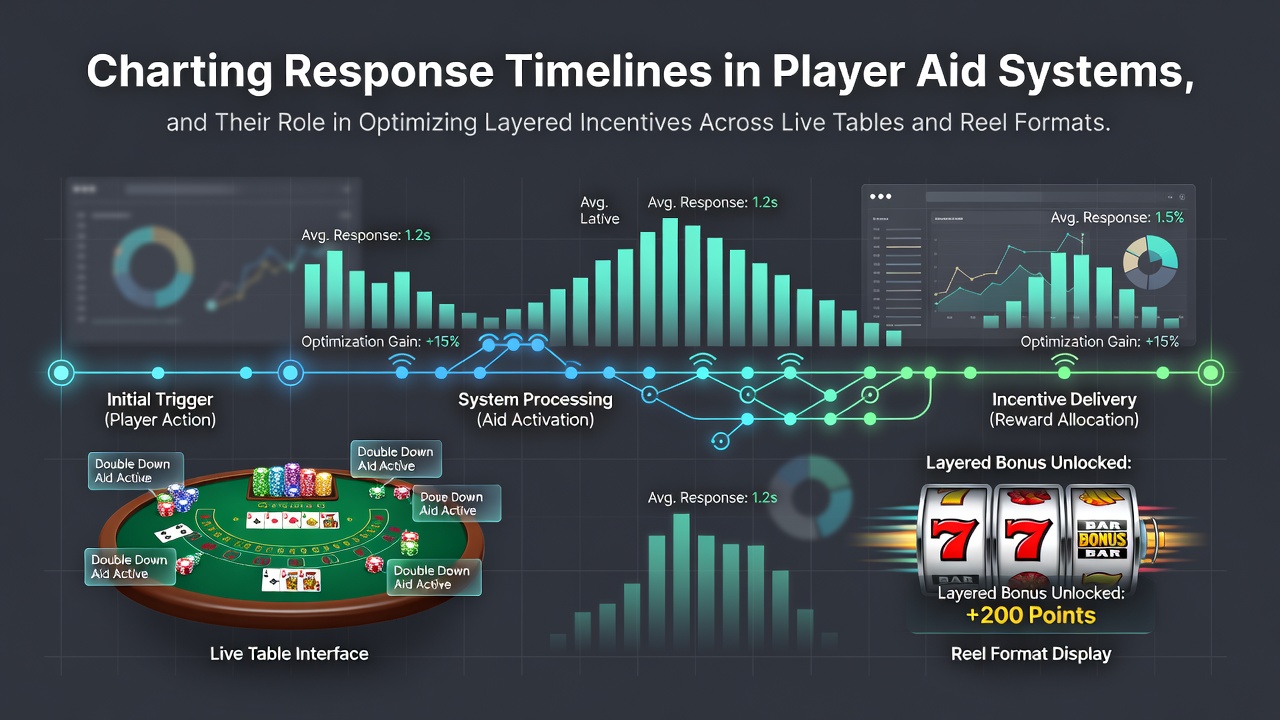
Player aid systems in modern casinos track every query from initial contact through resolution, and these timelines directly influence how operators structure layered incentives such as deposit matches, free spins, and table-side comps. Data collected across platforms reveals that shorter response windows correlate with higher retention rates in both live dealer environments and reel-based games, while delays can fragment the incentive layers that keep players engaged through multiple sessions.
Operators began formalizing these measurements in early 2025, yet the practice gained sharper focus during August 2026 when several North American properties released updated performance dashboards. Those reports highlighted average first-response intervals of 47 seconds for slot-related queries compared with 68 seconds for live table concerns, differences that shaped subsequent reward calibrations.
Core Components of Response Timeline Tracking
Support platforms log timestamps at each stage: message receipt, agent assignment, initial reply, and final closure. Analysts then segment the data by game type, noting that reel-format players often submit queries about bonus triggers while live table participants raise issues around bet limits or dealer interactions. The resulting charts allow teams to adjust staffing in real time and to align incentive releases with peak query volumes.
Research from the University of Nevada, Las Vegas gaming studies unit indicates that aligning incentive drops within 90 seconds of resolved queries increases repeat-play metrics by measurable margins across both formats. This finding emerged from a multi-property dataset covering more than 1.2 million player interactions logged between January and July 2026.
Live Tables Versus Reel Formats: Divergent Patterns
Live dealer sessions generate time-sensitive questions that frequently intersect with ongoing rounds, so response speed affects table flow and perceived fairness. Slot players, by contrast, tend to pause between spins when contacting support, which creates slightly different urgency profiles yet still demands prompt handling to preserve momentum toward bonus rounds or progressive triggers.
Observers note that properties using integrated chat tools with pre-scripted incentive offers reduce average handling time by 22 percent on reel platforms while maintaining accuracy on live tables. The same tools feed data back into layered reward engines, automatically adjusting free-spin allocations or comp values based on how quickly each query resolves.
Optimizing Layered Incentives Through Timeline Data
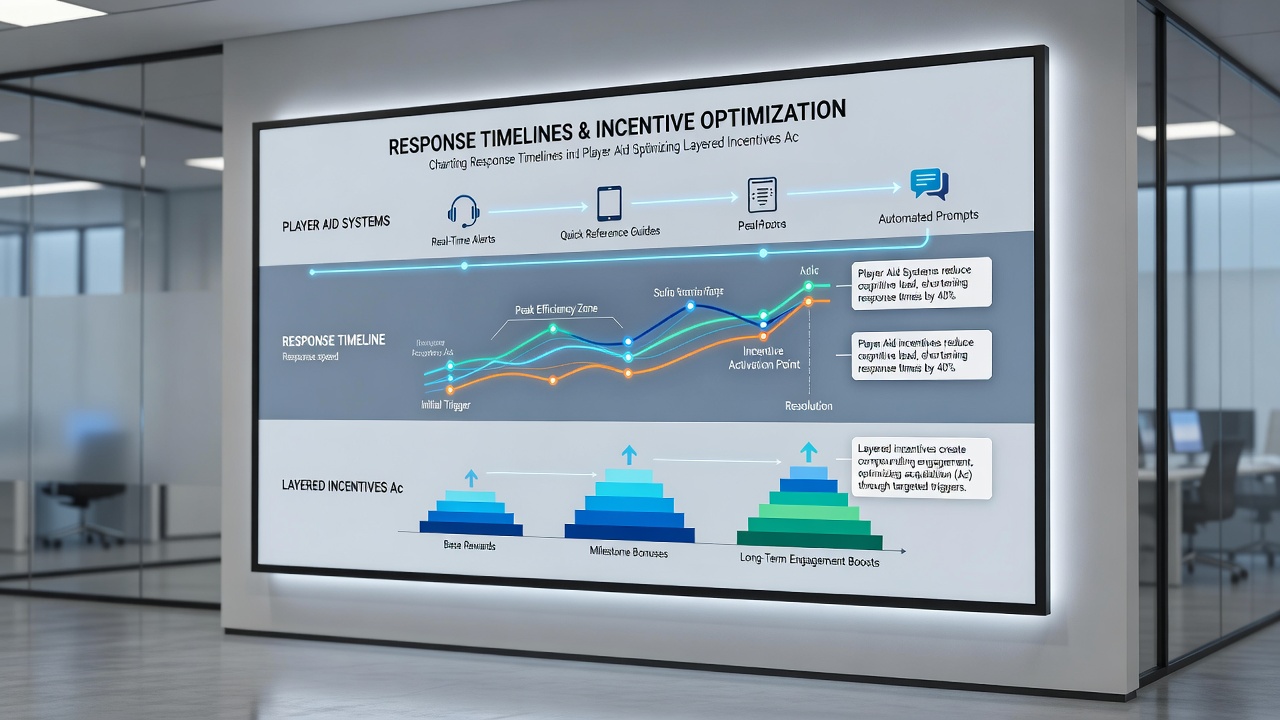
Layered incentives combine immediate rewards such as instant credits with longer-term structures like loyalty tier progressions. When support timelines are charted accurately, operators can time the release of each layer to coincide with resolved player issues, thereby reinforcing positive associations. A property in the Canadian market, for instance, shifted its mid-tier bonus activation window to occur within four minutes of chat closure, producing a documented uptick in session length across both live and reel verticals.
Industry groups such as the European Gaming and Betting Association have published guidelines encouraging members to publish anonymized response metrics quarterly. These disclosures help standardize measurement practices and allow cross-operator comparisons that refine incentive models without compromising regulatory boundaries.
Implementation Steps Across Properties
Teams begin by integrating timeline analytics into existing customer relationship platforms, then segment results by region, game category, and incentive type. Training modules subsequently emphasize rapid yet accurate responses, while automated systems flag queries that exceed preset thresholds. In August 2026 several Australian operators adopted this workflow and reported tighter alignment between support performance and reward redemption rates.
External validation comes from academic reviews, including work published by the Centre for Gambling Research at the Australian National University, which examined how response data feeds back into incentive algorithms. The studies confirm that properties maintaining sub-60-second averages across categories sustain higher engagement curves than those with wider variances.
Conclusion
Charting response timelines supplies operators with measurable inputs for calibrating layered incentives across live tables and reel formats. Continued refinement of these metrics, supported by data from multiple regulatory regions and research institutions, sustains operational improvements that directly affect player progression through reward structures. Properties that maintain consistent tracking protocols position themselves to adapt incentive layers as query patterns evolve.