Integrating Payment Pathways, Bonus Mechanisms, and Live Dealer Timings in Hybrid Casino Ecosystems
Written by Klara Krause · Jun 27, 2026
Integrating Payment Pathways, Bonus Mechanisms, and Live Dealer Timings in Hybrid Casino Ecosystems
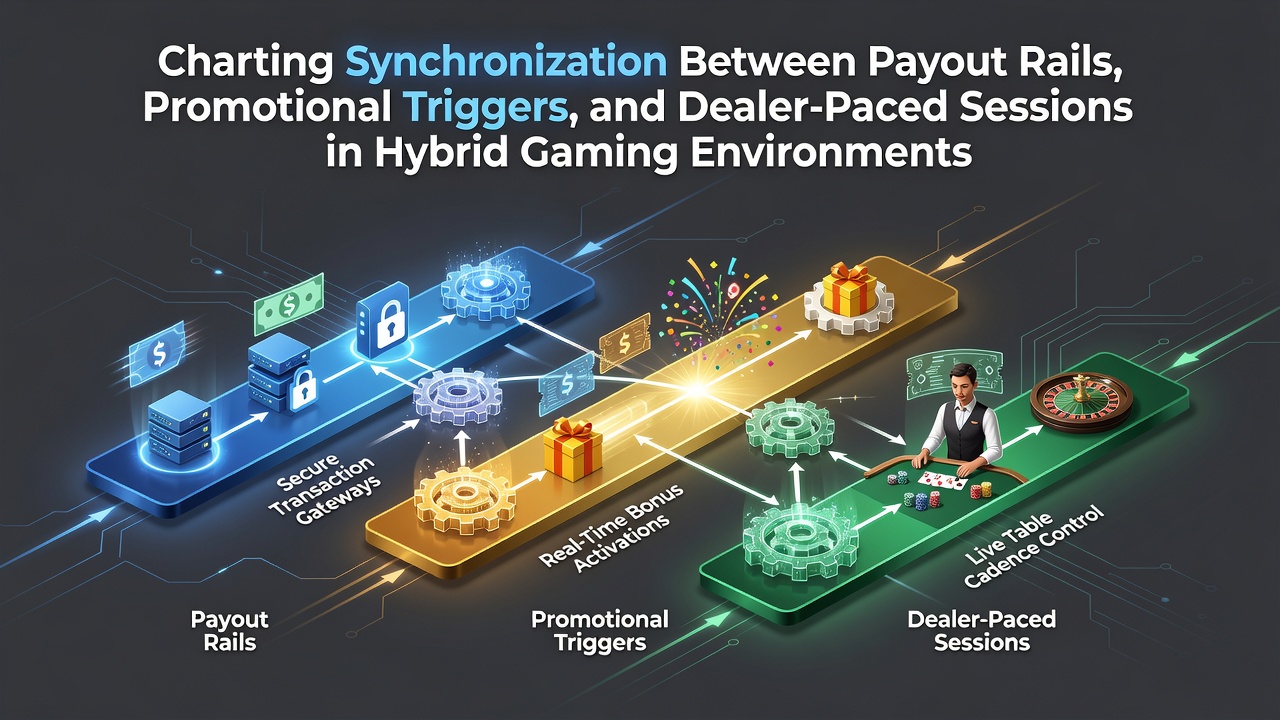
Hybrid gaming environments combine slot machines with live dealer tables, creating platforms where players shift between automated reels and real-time human interactions. Synchronization between payout rails, promotional triggers, and dealer-paced sessions ensures these transitions occur without disrupting momentum or player engagement.
Payment rails handle deposits and withdrawals through banking networks, digital wallets, and card processors, while promotional triggers activate bonuses based on play patterns or thresholds. Dealer-paced sessions follow the natural rhythm of card dealing and table management, requiring precise alignment so that bonus activations coincide with active rounds rather than interrupting them.
Components of Hybrid Synchronization
Payment systems in these setups rely on instant processing capabilities that match the speed of live table decisions. When a player receives a promotional credit during a blackjack round, the rail must confirm the transaction within seconds to avoid delays that break concentration. Industry data from the American Gaming Association shows that platforms achieving sub-three-second confirmation times maintain higher session continuity across mixed game formats.
Promotional triggers operate through algorithms that monitor betting volume and game type selections. These systems activate rewards like free spins or table credits at moments that complement dealer pacing, such as between hands rather than mid-deal. Observers note that misalignment here leads to players pausing to claim offers, which fragments the flow in environments where live dealers maintain consistent round intervals.
Technical Frameworks Supporting Alignment
Software architectures connect these elements through application programming interfaces that share real-time data across modules. A payout rail update can signal the promotional engine to adjust trigger conditions based on current table activity, while dealer session logs feed back timing metrics to optimize bonus delivery windows. Researchers at institutions studying gaming technology have documented how such integrations reduce latency by coordinating event queues rather than processing them sequentially.
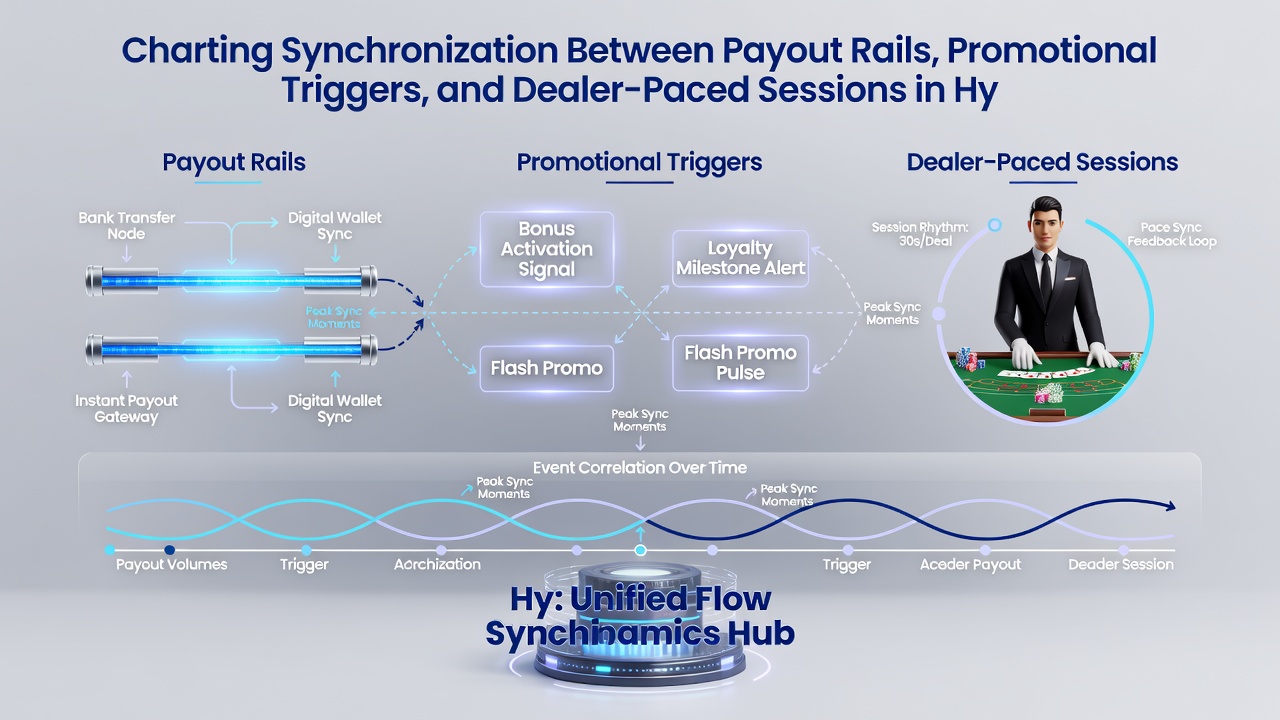
June 2026 brought several platform updates that refined these connections, with operators testing enhanced timestamp protocols to match bonus drops more closely with dealer announcements. These adjustments addressed variances where promotional content appeared after a round concluded, allowing better retention during high-engagement periods.
Operational Challenges and Solutions
Variability in dealer pacing introduces complexity because human factors like player decisions and card shuffles create irregular intervals unlike fixed slot cycles. Systems must predict these patterns using historical session data to position triggers effectively. Solutions involve adaptive scheduling that pauses automated promotions during extended decision phases at tables while accelerating them during quicker roulette spins.
Regulatory frameworks in regions like Nevada and parts of Australia emphasize audit trails for these synchronized processes, requiring operators to log how payments, bonuses, and sessions interact. A report from the Nevada Gaming Control Board highlights that detailed synchronization logs help verify compliance without mandating separate reviews for each component.
Examples from Current Platforms
One implementation at a major European operator links instant payment confirmations directly to live dealer interfaces, enabling automatic bonus applications at the start of each new shoe in blackjack. This approach ensures players receive incentives without exiting the table view. Data indicates such setups increase average session length by aligning rewards with natural breaks in dealer activity.
Another case involves Australian market platforms that coordinate promotional triggers with payout rail speeds to handle cross-border transactions during peak evening hours. When dealer sessions accelerate due to fewer players at a table, the system adjusts trigger sensitivity to prevent overlapping activations that could overwhelm the payment processor.
Future Developments in Coordination
Emerging tools focus on machine learning models that forecast dealer pace variations based on game type and time of day, feeding predictions into both promotional and payment systems. These models allow preemptive adjustments, such as queuing a deposit confirmation ahead of an anticipated bonus trigger during a fast-paced baccarat session.
Continued refinement depends on shared standards across providers, enabling seamless data exchange without custom integrations for every hybrid feature. Those who've studied these environments observe that platforms investing in unified timing protocols report fewer player drop-offs during transitions between slot streaks and live table play.
Conclusion
Effective charting of synchronization between payout rails, promotional triggers, and dealer-paced sessions forms the backbone of functional hybrid gaming environments. As platforms evolve through 2026 and beyond, the emphasis remains on real-time data sharing that respects the distinct rhythms of automated and human-led components while maintaining transaction integrity across all elements.