Fund Velocity Patterns Shaping Layered Bonus Structures in Slot Cycles and Live Dealer Settings
Written by Ines Baumann · Jun 2, 2026
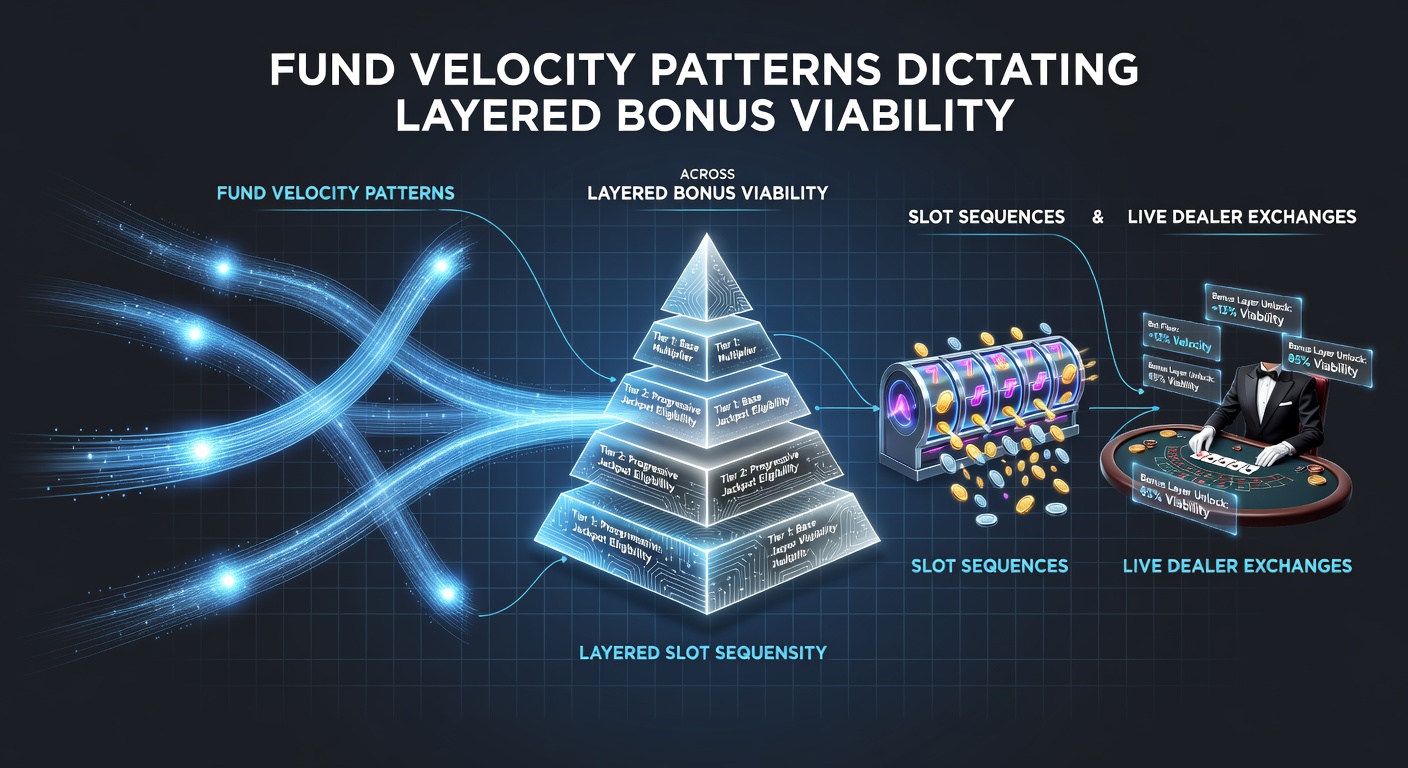
Fund Velocity Patterns Shaping Layered Bonus Structures in Slot Cycles and Live Dealer Settings
Fund velocity refers to the rate at which deposits, withdrawals, and internal transfers move through player accounts in digital gaming environments, and data from transaction monitoring systems shows these speeds directly influence how layered bonuses perform across repeated slot spins and live dealer rounds. Observers note that faster deposit confirmations allow players to activate multiple promotional tiers within single sessions, whereas slower processing windows often limit access to stacked rewards such as combined deposit matches, free spin allocations, and cashback percentages.
Core Mechanisms of Fund Velocity in Gaming Platforms
Transaction logs collected across major platforms reveal that average deposit clearance times range from under ten seconds for instant methods to several hours for traditional bank transfers, and these intervals determine whether a player can chain one bonus activation into the next before session limits expire. Research indicates that platforms integrating automated verification reduce friction points, which in turn supports higher volumes of sequential plays where each round builds upon the previous promotional layer.
Slot sequences depend on consistent fund availability because each spin consumes credits at fixed rates, and when velocity remains high the system can apply secondary bonuses such as retrigger multipliers or progressive contributions without interruption. Live dealer exchanges operate under similar constraints yet add timing layers tied to table pace, so rapid fund movement lets participants place follow-up bets while initial bonus conditions remain active.
Patterns Observed in Slot Play Sequences
Session data from reel-based titles demonstrates that short clearance windows correlate with elevated completion rates for multi-stage bonus ladders, where players progress from initial deposit rewards through additional free round unlocks and finally into cashback calculations. Analysts tracking these flows report that delays exceeding thirty minutes frequently cause partial forfeiture of layered offers because playthrough requirements cannot be met within the stated validity periods.
One documented pattern involves high-frequency deposit methods that permit players to top up mid-sequence, thereby preserving bonus viability across extended reel cycles. Figures from industry reports show this approach sustains engagement levels where slower pathways result in truncated sessions and lower overall promotional redemption.
Interactions Within Live Dealer Environments
Live dealer tables introduce real-time pacing variables that intersect with fund velocity, because each hand or spin occurs at intervals determined by dealer actions and player decisions. When transfers clear promptly, participants maintain sufficient balances to accept side bets or insurance options that may carry their own promotional overlays, creating compounded reward structures across blackjack, roulette, and baccarat exchanges.
Monitoring systems employed by operators record that velocity spikes during peak hours often coincide with promotional windows, allowing layered bonuses to stack when a player shifts from slots into live tables without balance gaps. Data compiled by the Australian Gambling Research Centre highlights comparable trends where seamless fund movement supports sustained table presence and incremental bonus accumulation.
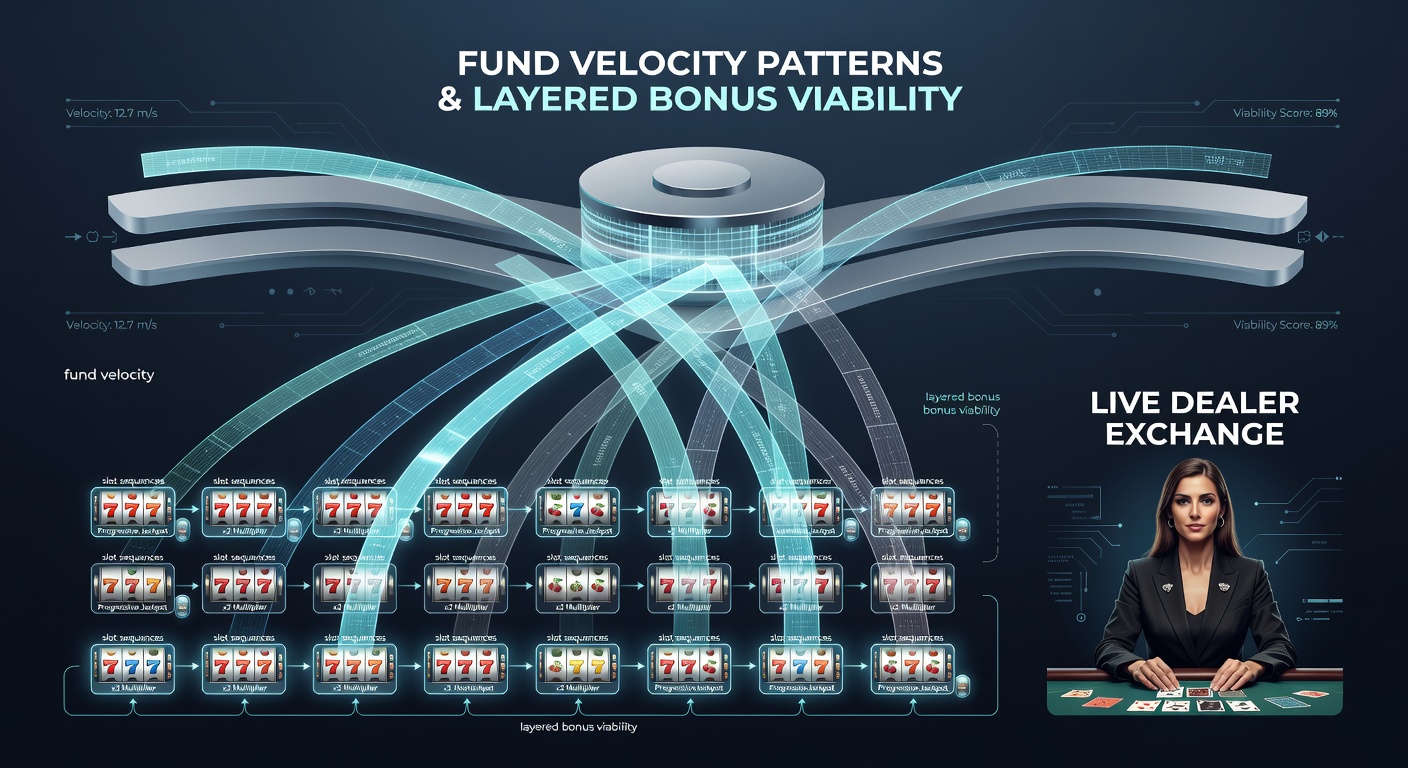
Layered Bonus Viability Across Hybrid Sessions
Hybrid play that alternates between slot sequences and live dealer tables relies on uninterrupted credit flow to preserve eligibility for stacked incentives. Platforms that publish velocity metrics alongside bonus terms enable players to time their movements, and June 2026 updates from several operators introduced real-time dashboards displaying clearance estimates for each payment channel.
Evidence from transaction audits indicates that when fund velocity exceeds a threshold of one transfer per minute, completion rates for combined slot-live promotions rise measurably because players avoid the common pitfall of depleted balances between game types. Conversely, slower channels force strategic pauses that can nullify time-sensitive elements such as progressive jackpot contributions or live-table cashback multipliers.
Regulatory and Operational Context in Mid-2026
By June 2026 several jurisdictions had implemented disclosure rules requiring operators to publish average processing intervals for deposits and withdrawals, and these mandates increased transparency around the velocity factors that govern bonus layering. The Ontario Lottery and Gaming Corporation began releasing quarterly summaries that link transaction speed statistics to promotional redemption volumes, offering external benchmarks for comparing platform performance.
Operators responded by expanding support for faster rails including digital wallets and instant bank transfers, which in turn expanded the window during which layered bonuses remain viable across both slot cycles and live exchanges. Academic papers from the University of Nevada, Reno gaming research group have examined these shifts and documented correlations between clearance speed and session length without attributing causation to any single variable.
Conclusion
Fund velocity patterns continue to serve as a measurable determinant of layered bonus viability because they control the timing windows available for sequential activations in slot sequences and live dealer exchanges. Continued monitoring by regulatory bodies and research institutions supplies ongoing datasets that clarify these relationships, while platform adjustments in payment infrastructure directly affect how players navigate promotional structures. The interplay remains a central operational consideration for any environment where multiple reward layers depend on uninterrupted credit movement.