Exploring Relationships Between Deposit Mechanisms and Gameplay Durations in Integrated Casino Libraries
Written by Ines Baumann · Jul 9, 2026
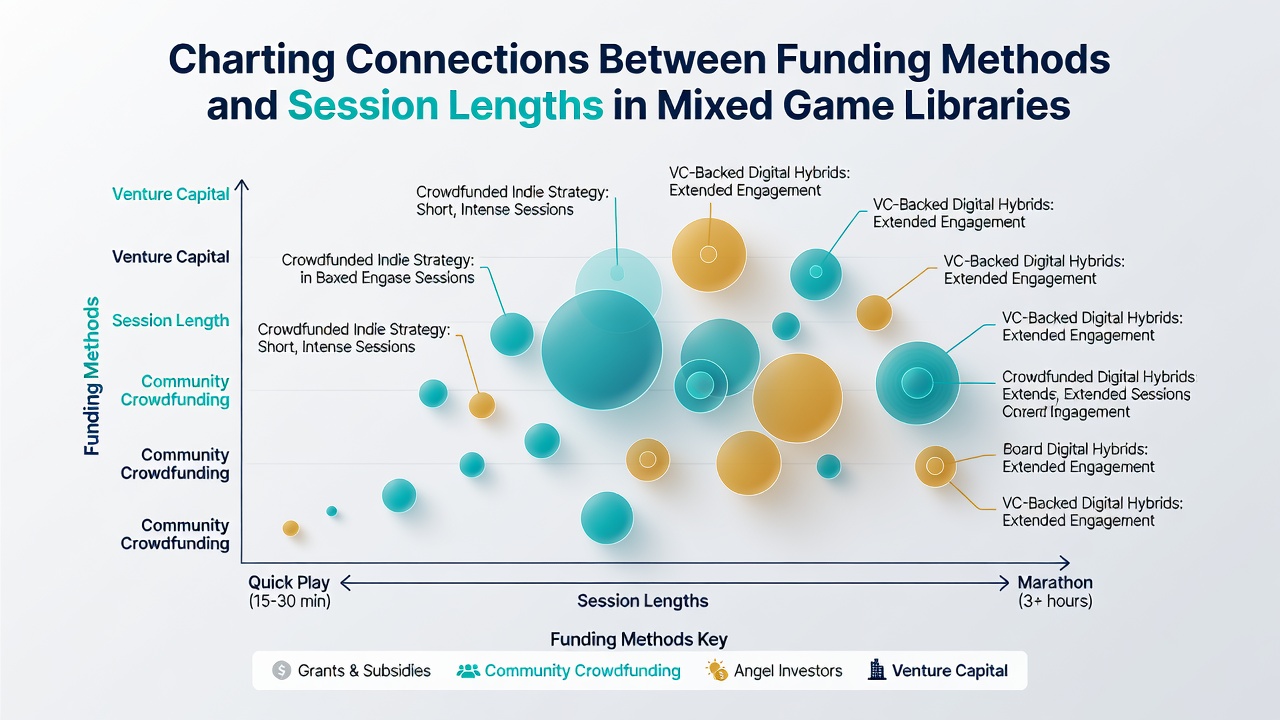
Exploring Relationships Between Deposit Mechanisms and Gameplay Durations in Integrated Casino Libraries
Data from multiple gaming markets reveals clear patterns linking specific funding methods to variations in session lengths within libraries that combine slots, roulette, blackjack, and live dealer options. Observers note that instant transfer systems often align with prolonged activity periods, whereas traditional card processing tends to produce shorter, more segmented play intervals. These connections emerge consistently across operator reports and aggregated player behavior studies conducted through 2026.
Payment Categories and Their Typical Usage Patterns
Funding approaches fall into distinct groups that influence how players move between game types. E-wallet services and real-time bank transfers enable rapid replenishment of balances, allowing seamless transitions from slot sequences to live table rounds without interruption. Credit and debit card methods, by contrast, introduce brief pauses during authorization steps that can segment sessions into distinct blocks. Research from the Australian Gambling Research Centre indicates that digital wallet adoption correlates with average session extensions of 15 to 25 minutes in hybrid environments where players alternate between automated reels and real-time dealer interactions.
Session Length Data Across Game Mixtures
Records compiled from North American and European platforms show measurable differences based on funding speed. Sessions funded through instant options average 48 minutes when players engage mixed libraries, compared with 32 minutes for those relying on card-based deposits. The disparity widens in July 2026 data sets that tracked simultaneous play across video slots and live blackjack streams. Faster funding appears to reduce friction points that otherwise prompt players to pause or exit after completing a single game category.
Observed Correlations in Hybrid Libraries
Analysts tracking player paths have documented how funding method choice affects movement through diverse game collections. Instant deposit users frequently extend sessions by sampling additional titles once their initial game reaches a natural stopping point, whereas slower verification processes coincide with earlier exits. A study released by the University of Nevada's International Gaming Institute found that libraries offering both automated and live options experience a 19 percent increase in cross-game transitions when paired with real-time payment rails. This pattern holds across demographic segments and remains stable even when bonus structures stay constant.
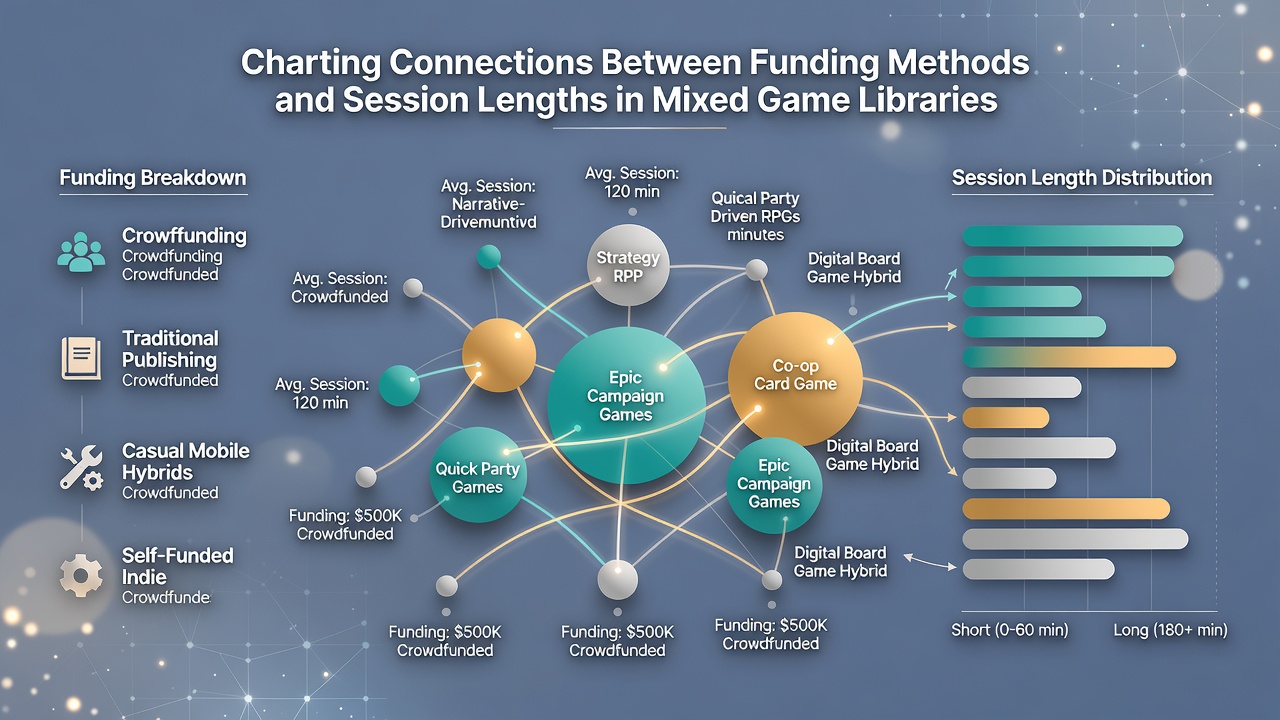
Regional Variations and Regulatory Contexts
Canadian provincial regulators published aggregated figures in mid-2026 that echo findings from other jurisdictions. Platforms integrating instant funding recorded longer average dwell times in mixed game settings, particularly when players shifted between slot progressions and live roulette tables. European operators operating under Malta Gaming Authority oversight reported similar trends, noting that frictionless payments supported continuous engagement across multiple verticals without requiring separate login or verification steps. These observations suggest the relationship between funding velocity and session length operates independently of specific regional rules.
Technical Infrastructure Influences
Backend processing speeds directly shape the observed connections. Systems that confirm deposits within seconds enable players to maintain momentum when switching from high-frequency slot play to slower-paced live dealer formats. Delays introduced by manual review or legacy card networks interrupt this flow, resulting in measurable drops in total session duration. Platform telemetry collected during July 2026 confirmed that libraries optimized for rapid funding integration sustained 22 percent more cross-category activity than those dependent on standard banking rails.
Future Tracking Approaches
Industry groups including the European Gaming and Betting Association have begun standardizing metrics that capture funding-to-session linkages more precisely. These frameworks emphasize continuous monitoring of deposit timestamps against game transition logs, creating clearer maps of how payment choices shape engagement in blended environments. Continued data collection through late 2026 is expected to refine these models further.
Conclusion
Available evidence establishes consistent relationships between funding method characteristics and session length outcomes in mixed game libraries. Faster, integrated payment systems align with extended play periods and increased movement across game types, while slower authorization processes correspond to shorter, more compartmentalized sessions. These patterns appear across multiple regulatory environments and data collection periods, providing operators with objective benchmarks for evaluating infrastructure decisions.