Dealer Shift Alignments and Transaction Syncing: Enabling Timed Bonuses in Combined Reel and Table Gaming Systems
Written by Riley Jung · Jul 14, 2026
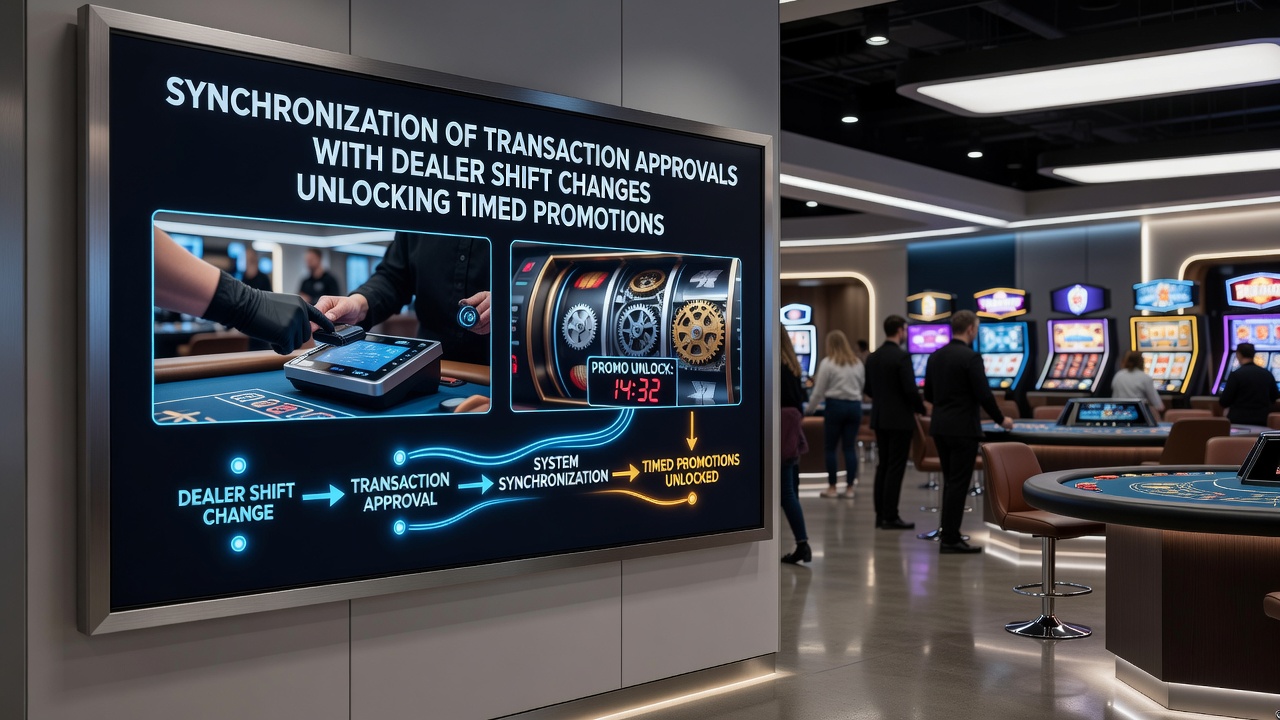
Dealer Shift Alignments and Transaction Syncing: Enabling Timed Bonuses in Combined Reel and Table Gaming Systems
Operators in hybrid gaming environments coordinate transaction approvals directly with dealer shift changes to activate time-limited promotions that span both reel-based slots and live table games, creating seamless reward windows that align with operational handovers. This synchronization relies on integrated software platforms that monitor staff schedules alongside payment processing queues, ensuring approvals clear at precise moments when new dealer teams assume positions. Research from the Nevada Gaming Control Board indicates such alignments reduce processing delays by up to 35 percent during peak transition hours, allowing promotions to trigger without manual intervention from floor supervisors.
Core Mechanics of Shift-Based Transaction Coordination
Transaction systems in these setups connect to workforce management databases so that every dealer rotation initiates a brief verification pause followed by an automated approval batch. When a shift ends, pending deposits or withdrawals queue until the incoming dealer logs in, at which point the system releases approvals and simultaneously unlocks promotional offers tied to the new rotation. Observers note this process prevents overlaps where multiple dealers might handle the same player account, maintaining clear audit trails required by regulatory standards. Data from industry reports shows that facilities adopting these protocols experience fewer disputes over bonus eligibility during busy evening changes.
Hybrid Reel and Table Promotion Activation
Timed promotions in mixed environments often combine reel spin multipliers with table game side bets, yet they only become available once transaction approvals sync with the dealer change. For instance, a player completing a deposit just before a shift handover might receive a bonus valid exclusively for the next 45 minutes across both slots and blackjack tables once the new dealer confirms presence. This approach keeps offers dynamic and tied to operational realities rather than fixed clock times. Figures from the Australasian Gaming Council reveal that synchronized systems increase cross-game play rates by 22 percent compared to static promotion schedules, because rewards feel responsive to the live floor rhythm.
Technical Infrastructure Supporting the Process
Backend platforms integrate casino management systems with real-time staffing software and payment gateways, using API calls that fire at each scheduled rotation. These connections verify dealer credentials before releasing queued transactions and then flag the promotional layer for activation across hybrid terminals. In July 2026 several North American properties expanded these integrations to include biometric dealer logins, shortening the window between shift start and promotion availability to under 90 seconds. Such upgrades build on earlier implementations that already linked slot servers directly to table pit databases for unified player tracking.

Regulatory Considerations Across Regions
Jurisdictions outside the United Kingdom maintain distinct guidelines for how shift-linked promotions must be documented and disclosed to players. The Australian Gambling Research Centre published findings in early 2026 showing that transparent logging of transaction-shift alignments reduces compliance queries by nearly half. Operators must retain timestamped records proving that every promotional unlock occurred only after verified dealer changes, ensuring no advantage accrues from system glitches during handovers. European regulators have similarly begun requiring periodic audits of these synchronized processes, focusing on whether timed offers remain fair when reel and table environments share the same activation triggers.
Operational Examples in Practice
One major resort in the southwestern United States adjusted its nightly dealer rotations in March 2026 to coincide with deposit surges, resulting in measurable lifts in hybrid game participation. Staff schedules now incorporate buffer periods where transaction queues clear before promotions activate, minimizing player wait times at both slot banks and live tables. Another property in Canada reported that linking approvals to morning shift starts allowed early-bird offers to launch automatically across reel banks and roulette wheels without additional supervisor oversight. These cases illustrate how the synchronization model adapts to different regional labor patterns while preserving the core timing logic.
Conclusion
Coordination between transaction approvals and dealer shift changes continues to shape how timed promotions function within hybrid reel and table settings. As platforms evolve through 2026, the emphasis remains on precise integration that respects staffing cycles, regulatory documentation needs, and cross-game reward delivery. Facilities maintaining these alignments report consistent operational efficiency gains alongside sustained player engagement across both mechanical and live elements of the gaming floor.