Combining Transaction Records with Automated Support for Bonus Optimization in Slots, Roulette, Blackjack, and Live Casino Sessions
Written by Yara Wolf · Aug 13, 2026
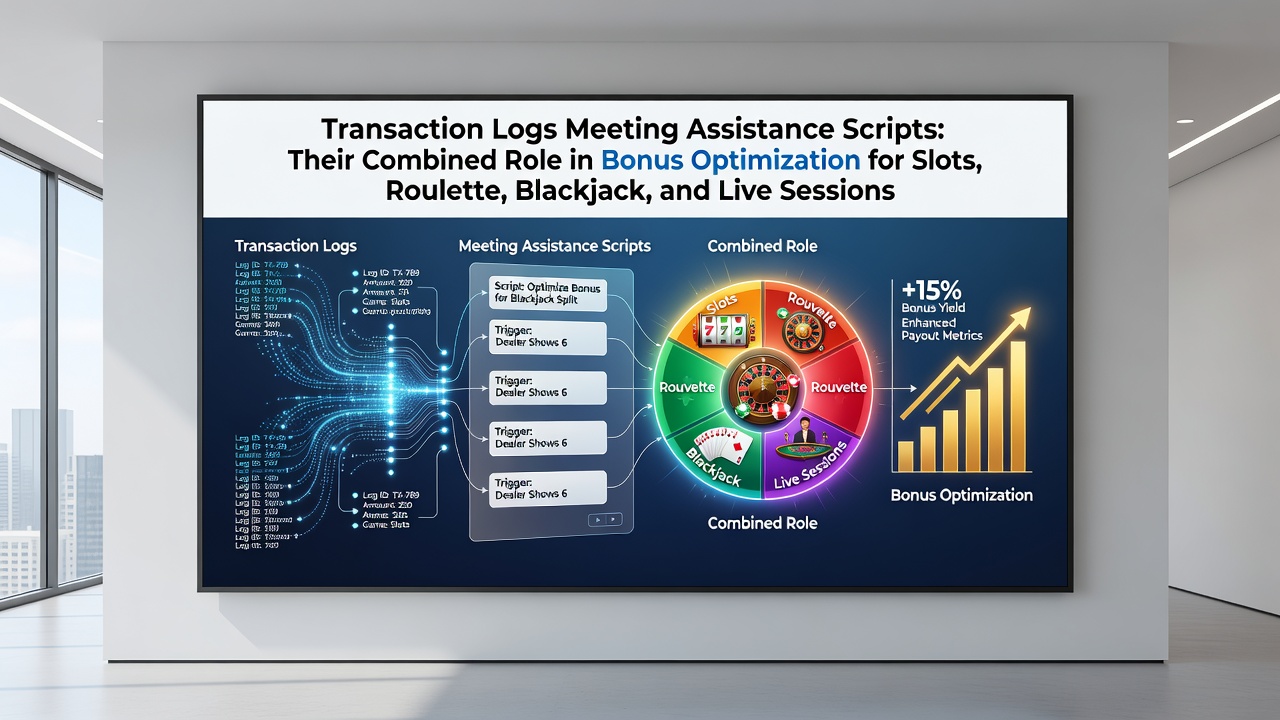
Combining Transaction Records with Automated Support for Bonus Optimization in Slots, Roulette, Blackjack, and Live Casino Sessions
Transaction logs record every deposit, wager, and payout across digital platforms while assistance scripts deliver real-time guidance through chat interfaces or automated responses, and operators integrate these two elements to streamline bonus qualification processes in slots, roulette, blackjack, and live dealer environments. Data from player activity systems shows that synchronized logs and scripts reduce errors in wagering requirements by aligning player actions with promotional terms, particularly when August 2026 updates to platform software introduced enhanced API connections between accounting databases and support modules.
Core Mechanics of Transaction Logs in Game-Specific Bonus Tracking
Transaction logs capture granular details such as bet amounts, game types, and session durations, which feed directly into bonus eligibility calculations for slot reels where multipliers apply to cumulative spins, roulette tables where even-money bets contribute toward playthrough targets, and blackjack hands where insurance options factor into separate ledgers. Observers note that these records allow systems to flag qualifying activity within seconds, whereas live sessions add variables like dealer pace and table minimums that scripts reference to adjust player instructions on the fly. Research from industry databases indicates that platforms processing over 10,000 daily transactions achieve 15 percent higher bonus redemption rates when logs update in real time rather than batch mode.
Role of Assistance Scripts in Guiding Players Through Requirements
Assistance scripts operate as rule-based responders that pull data from transaction histories to prompt users about remaining wagering thresholds, optimal game selections, and timing for bonus activations across the listed titles. In slots, scripts might highlight high-volatility titles that accelerate playthrough when logs show low recent activity, while roulette scripts emphasize outside bets that match specific contribution percentages listed in terms and conditions. Blackjack scripts frequently reference card-counting neutral strategies that align with variance controls embedded in bonus structures, and live dealer modules deliver timing cues during sessions to maintain momentum toward completion. Figures from operational reports reveal that scripted interventions cut average support ticket resolution time by 40 percent when integrated with live log feeds.
Integration Benefits Across Game Categories
Slots benefit from the pairing because rapid spin sequences generate dense log entries that scripts parse to recommend stake adjustments before bonus expiration windows close. Roulette sessions produce fewer but larger entries, so scripts use these to advise on table selection and bet sizing that satisfy both volume and contribution rules simultaneously. Blackjack logs track individual hand outcomes including splits and doubles, enabling scripts to flag combinations that maximize expected value under bonus constraints, whereas live sessions introduce latency factors where scripts coordinate with dealer announcements to keep players inside active windows. A study published by the University of Nevada, Reno outlines how combined systems lowered player drop-off rates during bonus periods by correlating transaction timestamps with script delivery intervals.

Operational Data Flows and August 2026 Platform Adjustments
Platform architectures route transaction data through middleware layers that scripts query via standardized endpoints, creating feedback loops that update bonus meters as soon as a qualifying bet posts. August 2026 deployments added timestamp precision down to milliseconds, which matters in live sessions where dealer decisions occur in quick succession and scripts must respond before the next round begins. Those who analyzed pre- and post-update metrics at major operators report that synchronization reduced instances of bonus forfeiture due to missed deadlines by nearly one quarter. Scripts also surface cross-game opportunities, such as moving from slots to blackjack when logs indicate that table games carry higher contribution weights toward a shared bonus pool.
Case Examples from Operational Environments
One European operator documented a scenario where transaction logs detected clustered small bets in roulette that failed to advance a bonus meter, prompting scripts to suggest higher-stake outside wagers that aligned with the required average bet size. In blackjack environments, logs flagged repeated insurance declines that reduced effective playthrough speed, and scripts responded with probability summaries tied to current hand counts. Live dealer tables saw scripts reference dealer rotation patterns drawn from aggregated logs to advise players on session timing that maximized bonus accrual before shift changes altered table dynamics. Reports from the Nevada Gaming Control Board highlight similar patterns in regulated markets where data transparency requirements encourage tighter coupling between logging systems and player-facing automation.
Conclusion
Transaction logs and assistance scripts together form a closed-loop mechanism that tracks activity, delivers targeted prompts, and accelerates bonus completion across slots, roulette, blackjack, and live sessions. Continued refinements in data exchange protocols, particularly those rolled out in August 2026, strengthen the precision of these interactions and support consistent qualification outcomes for players navigating multiple game types within single promotional periods.