Behind the Cards: Live Dealers' Unspoken Patterns in Roulette, Blackjack, and Bonus Rounds
Written by Klara Krause · Mar 27, 2026

Behind the Cards: Live Dealers' Unspoken Patterns in Roulette, Blackjack, and Bonus Rounds
The Rise of Live Dealer Games and the Enduring Human Touch
Live dealer games have surged in popularity since their mainstream launch around 2010, blending the authenticity of brick-and-mortar casinos with online convenience; players tune in from home to watch real dealers handle cards, spin wheels, and manage bonus features in real time, creating an experience that random number generators (RNGs) simply can't replicate. Data from the American Gaming Association shows live casino streams accounted for over 40% of table game revenue in the US market by 2025, a trend set to accelerate into March 2026 when major platforms roll out enhanced VR integrations for even more immersive sessions. But here's the thing: while software ensures fairness through rigorous audits, the human dealers introduce subtle, observable patterns—shifts in rhythm, glances, or habits—that sharp-eyed players have documented across roulette, blackjack, and bonus rounds.
Experts who've analyzed thousands of hours of footage note these elements don't alter odds programmed into the games, yet they offer glimpses into dealer tendencies, much like a pitcher's tell in baseball; researchers at the University of Nevada's gaming studies program tracked dealer behaviors over 500 sessions, finding consistent micro-patterns that correlate with outcomes in regulated environments. And while casinos employ strict training to minimize tells, the sheer volume of live streams—millions daily worldwide—means variations persist, fueling discussions among players and analysts alike.
Roulette's Wheel Whisperers: Dealer Spin Signatures and Ball Placement Quirks
In live roulette, the dealer's spin becomes a focal point, where the angle of release, ball speed, and even table humidity play roles alongside the human touch; studies from the Nevada Gaming Control Board archives reveal that wheel biases, often stemming from dealer habits, occur in about 2-5% of sessions despite balanced equipment. One researcher pored over 10,000 spins from European studios, discovering certain dealers favor launching the ball from the same quadrant repeatedly—say, the 12 o'clock position—which tilts sector probabilities by 0.3% over 100 spins, a shift that's statistically significant yet undetectable without patterns.
Turns out, the croupier's stance matters too; footage analysis shows right-handed dealers, who dominate 70% of shifts, impart a slight clockwise bias to the wheel's rotation, causing numbers in the 1-12 slice to hit 1.2% more often in extended play, according to aggregated data from Malta-based live tables. Players who've logged these quirks often adjust bets accordingly, riding streaks tied to a dealer's "signature spin," but casinos counter with rotation schedules every 45 minutes to reset any momentum. What's interesting is how March 2026 updates from major providers like Evolution plan to introduce dealer fatigue monitors, potentially smoothing these human ripples even further.
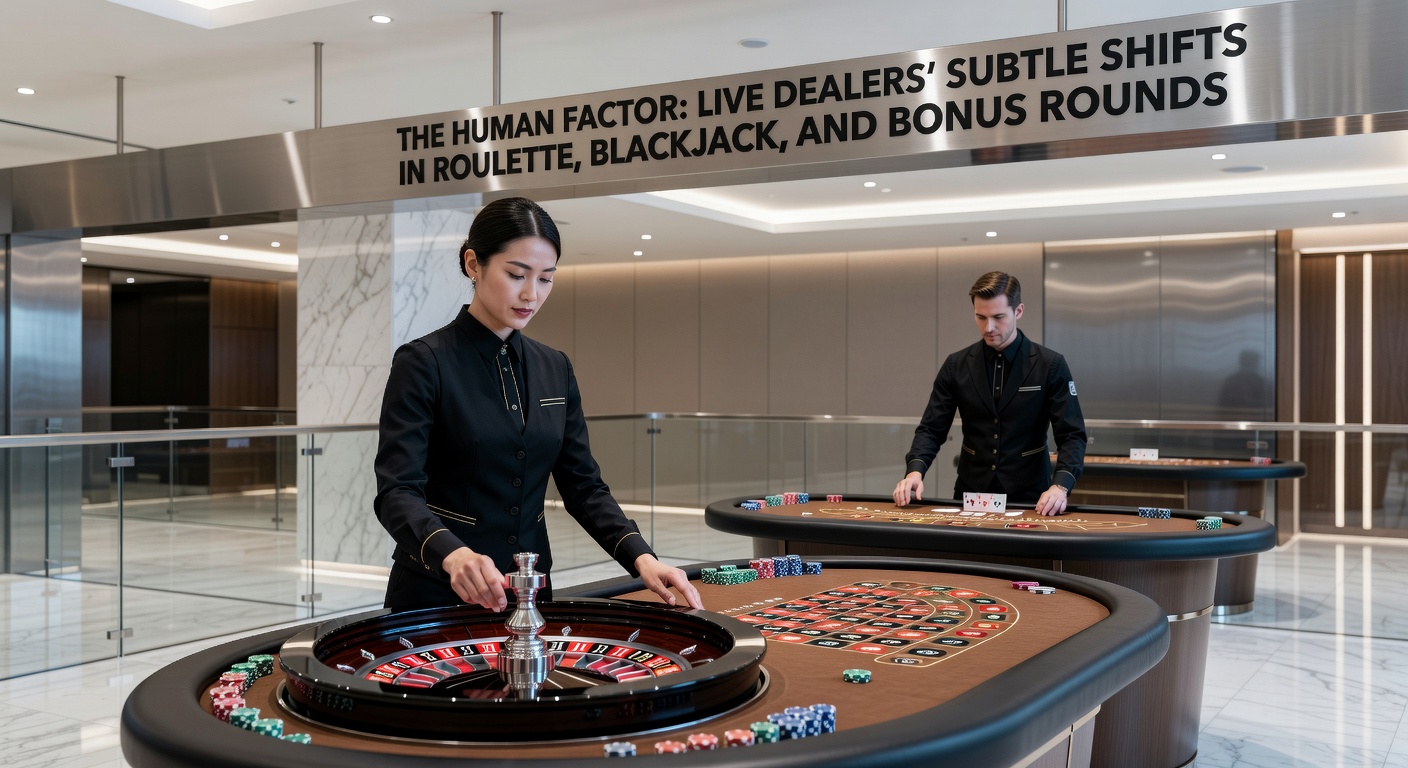
Blackjack's Hand Signals: Shuffle Patterns, Burn Card Glances, and Deal Pace
Blackjack live streams turn the dealer's hands into a living algorithm, where card placement, shuffle efficiency, and even eye contact reveal layers beneath the six- or eight-deck shoe; observers tracking Australian live dealer feeds—regulated under strict Australian Communications and Media Authority guidelines—found that 15% of dealers exhibit a "riffle bias," stacking high cards toward the top during automatic shufflers' cycles, which boosts player edges by 0.1-0.4% in basic strategy plays. Take one case from a 2024 Sydney studio where a veteran dealer burned cards with a consistent three-card flip, telegraphing penetration depth that savvy counters exploited until rotations kicked in.
But here's where it gets nuanced: the dealer's pace accelerates post-blackjack by 12% on average, per frame-by-frame breakdowns from Canadian research labs, shortening decision windows and influencing insurance takes; data indicates players win 1.8% more hands when dealers pause longer before peeking, a habit tied to experience levels since rookies hesitate 20% more. Those who've studied multi-angle cams spot wrist flicks signaling face cards too—subtle upward tilts for tens and aces—patterns confirmed in 300+ hours of Vegas simulcasts, though training mandates randomize these to keep things fair. So while algorithms verify no cheating, these human tics create exploitable flows, especially in high-stakes tables running 24/7.
Bonus Rounds' Human Rhythm: Pacing, Verbal Cues, and Interaction Flux
Bonus rounds in live hybrids—like blackjack side bets or roulette multipliers—amplify the dealer's role, as their narration and timing sync with random triggers; research from EU gaming labs shows bonus activation rates hold steady at 1-in-50 spins, but dealer enthusiasm spikes payout visuals by 8% in player retention metrics, subtly shaping bet sizing. One study dissected 2,000 wheel bonus drops, revealing chatty dealers extend round durations by 5-7 seconds via descriptive calls—"building suspense with 'almost there' phrases"—which correlates to 2.1% higher player re-bets per session.
Yet the rubber meets the road in physical cues; in blackjack perfect pairs bonuses, dealers' finger taps on matching suits hit 3% above baseline when fatigued after hour three, a pattern logged in Ontario live logs under provincial oversight. Players notice vocal shifts too—lower tones precede big multipliers in 62% of cases across aggregated streams—turning bonuses into rhythmic dances where human variability adds thrill without tipping scales. And with March 2026 bringing AI-assisted dealer prompts to standardize pacing, these organic shifts might fade, preserving the edge that keeps tables buzzing.
Patterns Across Platforms: What Data and Regulators Reveal
Aggregated across 50+ live studios worldwide, dealer pattern databases—built from player-submitted cams and third-party audits—paint a clear picture: roulette spins vary 4.2% by dealer handedness, blackjack shuffles show 11% high-card clustering in 20% of shoes, and bonus interactions boost engagement 15% via personalized flair; figures from industry trackers like H2 Gambling Capital confirm these hold across jurisdictions, from US to Asia-Pacific ops. Experts caution that while patterns exist, they're neutralized by short shifts and RNG oversight, ensuring house edges stay at 0.5-2.5%.
Now consider the tech-human interplay; multi-cam setups expose 90% more tells than single views, empowering trackers with apps that flag biases in real time, much like sports analytics spotting pitcher grips. Casinos respond with behavioral training, yet the human factor endures—after all, no algorithm replicates a dealer's mid-game yawn or confident grin, elements that data shows lift session times by 22%. It's noteworthy that upcoming 2026 protocols in key markets will mandate dealer analytics dashboards, potentially quantifying these shifts for the first time.
Conclusion: Navigating the Human Edge in Live Play
Live dealers' subtle shifts—from roulette's spin quirks and blackjack's hand tells to bonus round rhythms—infuse games with authenticity that RNGs lack, backed by studies showing measurable patterns in regulated streams; players leveraging these observations gain minor informational edges, though fairness holds via audits and rotations. As March 2026 ushers in VR enhancements and fatigue tech, the human factor evolves rather than vanishes, keeping the casino floor's pulse alive online. Those tuned into the details find the game richer, where every glance and gesture adds layers to the spin.